Dietary Supplements and Gut Microbiome
Probiotic supplements have become a multibillion-dollar business, fuelled by promises that they can fill your gut with bacteria that will improve your health in a variety of ways.
But beware of the hype: probiotic pills provide little benefit to healthy people and may cause more damage than good.
Taking probiotic supplements, whether for overall health or to counteract the effects of antibiotics, has been shown in studies to alter the composition of your microbiome and diminish the levels of microbial diversity in your gut, which has been associated with a variety of health concerns.
Probiotic supplements include capsules, gummies, powders, and tablets that contain live bacteria that are thought to improve intestinal health. A subgroup of patients, notably those with gastrointestinal issues, may benefit from taking them. Probiotic supplements have been shown in studies to improve symptoms of irritable bowel syndrome and inflammatory bowel disease. They can help prevent travellers' diarrhoea and lessen the negative effects of antibiotics.
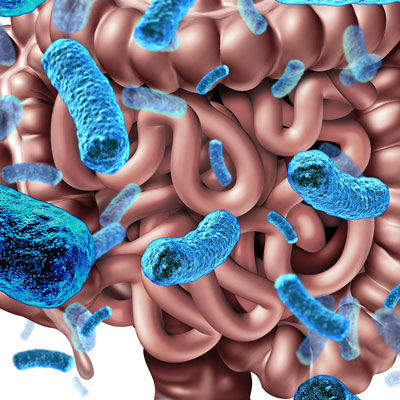
However, for the majority of people, there are more dependable strategies to nurture their gut microbiota.
First, consume a variety of vegetables, nuts, seeds, beans, and whole grains, which offer fibre-rich fuel to gut microorganisms. Researchers discovered that fermented foods like yoghurt, sauerkraut, kimchi, and kefir, which contain probiotics and other beneficial substances, improve your health and gut microbiota.
Your gut microorganisms are part of a huge ecosystem that includes bacteria, viruses, archaea, and fungi that live mostly in your colon. People with varied gut microbiomes live longer and suffer from fewer ailments.
These microorganisms feed on fibre in fruits and vegetables, converting it into new chemicals known as "postbiotics," such as butyrate, acetate, and other short-chain fatty acids that appear to be extremely beneficial to your health.
The microorganisms in your gut, like members of any community, can collaborate and compete with one another. Dybiosis occurs when the amount of beneficial and harmful bacteria in your gut becomes out of balance.

Although there are several probiotic supplement brands, many of them include only a few bacterial strains, typically from the families Lactobacillus, Bifidobacterium, and a few others. These microbes are fairly prevalent and have been linked to a variety of health advantages.
But, according to Dr. Kiran Peddi, a consultant gastroenterologist at Gastro Care Clinic in Hyderabad, consuming high amounts of a few kinds of bacteria might disturb the equilibrium in your gut.
You can inadvertently cause dysbiosis by having too much of a good thing, he explained. You're crowding out not only the bad things but also the other good things that you want in there to create high microbiome diversity.
Probiotics are frequently used in conjunction with antibiotics. Antibiotics are used to treat bacterial illnesses, but they may also be used to eradicate beneficial microorganisms. Taking a probiotic supplement with an antibiotic is intended to restore the gut microbiota and reduce adverse effects. Probiotics, for example, have been demonstrated in studies to reduce antibiotic-associated diarrhoea.
Unlock your gut's potential with targeted dietary supplements! Discover how optimising your microbiome can transform your health. Take the first step towards a happier gut today with Dr. Kiran Peddi!
Book AppointmentFAQs
Probiotic supplements are products such as capsules, powders, gummies, or tablets that contain live beneficial bacteria like Lactobacillus and Bifidobacterium. They help support gut health by balancing intestinal bacteria. They may be helpful for certain groups, including people with irritable bowel syndrome (IBS), inflammatory bowel disease (IBD), travelers’ diarrhea, or those experiencing digestive side effects from antibiotics.
In healthy individuals, studies suggest that probiotics may temporarily change gut microbiome composition but do not always provide long-term benefits. In some cases, they may even reduce natural microbial diversity. A better long-term approach is consuming a varied, fiber-rich diet that includes vegetables, fruits, nuts, seeds, beans, and whole grains, which naturally supports a healthy gut microbiome.
Fermented foods like yogurt, kefir, kimchi, and sauerkraut provide beneficial bacteria along with other nutrients and compounds that support digestion. Compared to supplements, they are generally more effective in improving microbiome diversity. They also promote the production of postbiotics, such as short-chain fatty acids, which are linked to better gut and overall health without disrupting microbial balance.
Dysbiosis refers to an imbalance in the gut microbiome, where harmful bacteria outgrow beneficial ones. In some cases, high-dose or single-strain probiotic supplements may reduce microbial diversity and contribute to this imbalance. As noted by gastroenterology experts, including Dr. Kiran Peddi, maintaining a diverse gut microbiome through diet is often more beneficial than relying solely on supplements.
Probiotics may be helpful during or after antibiotic use to reduce the risk of antibiotic-associated diarrhea and help restore gut bacteria. In Hyderabad, it is best to consult a gastroenterologist to choose the right probiotic strain based on your condition. However, for long-term gut health, a balanced and diverse diet remains the most important factor.



