Gut-brain connection
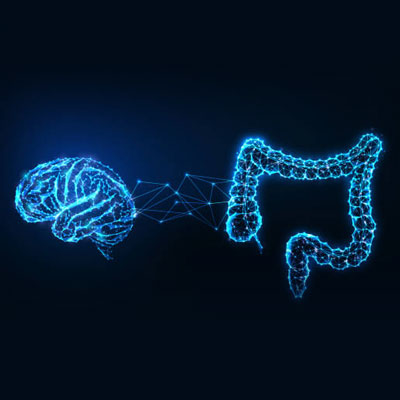
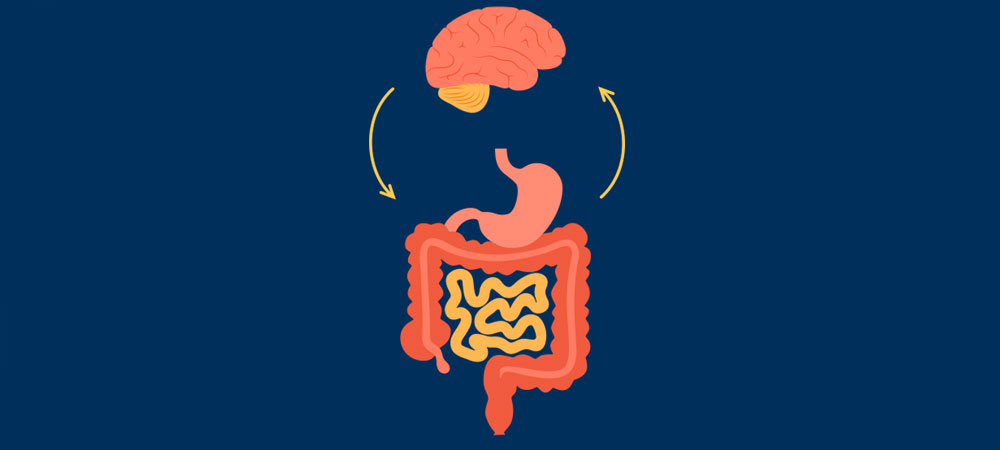
The gut-brain axis refers to the network of communication that connects your stomach and brain. These two organs are linked in a variety of ways, both physically and biochemically.
The Nervous System and the Vagus Nerve
Neurons are brain and central nervous system cells that instruct your body on how to act. The human brain includes roughly 100 billion neurons, and your stomach contains 500 million neurons that are linked to your brain via nerves in your nervous system. The vagus nerve is one of the largest nerves that connects your intestines to your brain. It transmits data in both directions.
In animal studies, for example, stress suppresses signals delivered by the vagus nerve and produces gastrointestinal difficulties. Similarly, one human investigation discovered that people with IBS or Crohn's illness had a lower vagal tone, indicating a diminished function of the vagus nerve. A fascinating mouse study discovered that giving them a probiotic lowered the quantity of stress hormones in their blood. When their vagus nerve was severed, however, the probiotic had no impact. This shows that the vagus nerve plays a key function in the gut-brain axis and in stress.
Neurotransmitters
Neurotransmitters, which are molecules, connect your stomach and brain. Emotions and sensations are controlled by neurotransmitters generated in the brain. For example, the neurotransmitter serotonin helps manage your body clock and contributes to feelings of happiness. Many of these neurotransmitters, interestingly, are also created by your gut cells and the billions of microorganisms that live there. The stomach produces a significant amount of serotonin. Your gut microorganisms also create gamma-aminobutyric acid (GABA), a neurotransmitter that helps moderate sensations of fear and anxiety.
Other chemicals that affect the brain are produced by gut microbes
The billions of bacteria that dwell in your gut produce additional compounds that influence how your brain functions. Short-chain fatty acids (SCFA) like butyrate, propionate, and acetate are abundant in your gut microorganisms. SCFA is produced via fibre digestion. SCFA has a multitude of effects on brain function, including appetite suppression.
According to one study, taking propionate can lower food intake as well as brain activity connected to reward from high-energy foods.
Butyrate, another SCFA, and the microorganisms that make it are also vital in building the blood-brain barrier, which connects the brain to the blood.
Gut microorganisms also metabolise bile acids and amino acids to produce additional brain-related compounds. Bile acids are substances produced by the liver that aid in the absorption of dietary lipids. They may, however, have an effect on the brain.
Two mouse studies discovered that stress and social problems impair bile acid synthesis by gut bacteria and modify the genes involved in their creation.
Inflammation is influenced by gut microbes. The immune system is also linked to your gut-brain axis.
The gut and gut microorganisms play a crucial role in your immune system and inflammation by managing what enters and exits the body.
When your immune system is activated for an extended period of time, it can cause inflammation, which is linked to disease. When your immune system is activated for an extended period of time, it can cause inflammation, which has been linked to a variety of brain illnesses, such as depression and Alzheimer's disease.
LPS (lipopolysaccharide) is an inflammatory toxin produced by some bacteria. It can induce inflammation if too much of it enters the bloodstream from the intestines.
This can happen when the intestinal barrier breaks down, allowing germs and LPS to enter the bloodstream.
Inflammation and elevated LPS levels in the blood have been linked to a variety of brain illnesses, including severe depression, dementia, and schizophrenia.
Book an appointment with Dr. Kiran Peddi for more about the gut-brain connection.
Book AppointmentFAQs
The gut-brain connection, also known as the gut-brain axis, is a two-way communication system between the gut and the brain. It works through nerves, hormones, and gut microbes. The vagus nerve plays a key role by sending signals in both directions. Gut bacteria also produce chemicals like serotonin, GABA, and short-chain fatty acids, which can influence mood, stress levels, and even inflammation in the body.
The vagus nerve is one of the main communication pathways between the intestines and the brain. It helps regulate digestion, emotional responses, and stress levels by sending signals both ways. Research suggests that reduced vagal tone is linked to conditions like IBS and Crohn’s disease. Some studies also indicate that probiotics may help improve stress responses by positively influencing vagal activity.
Gut bacteria play a major role in brain health because they produce important neurotransmitters. For example, around 90% of serotonin is produced in the gut, along with GABA, which helps regulate anxiety. They also produce short-chain fatty acids that support brain function and reduce inflammation. In some cases, imbalances in gut bacteria can contribute to issues like depression, anxiety, or cognitive changes, which gastroenterologists in Hyderabad take into account while treating related conditions.
Stress can significantly disrupt the gut-brain connection. It affects vagus nerve signaling, alters gut bacteria balance, and can increase inflammation in the body. Stress may also interfere with digestion and worsen conditions like IBS or IBD. Over time, this ongoing disruption can affect both gut health and mental well-being.
Gastroenterologists in Hyderabad manage several conditions linked to the gut-brain axis, including IBS, IBD (Crohn’s disease and ulcerative colitis), liver disorders, and small bowel or colon problems. Treatments may include medications, dietary changes, and endoscopic procedures. The goal is to restore gut balance, reduce inflammation, and improve overall digestive and neurological well-being.



