IBD in the Elderly: Challenges & Considerations
Inflammatory bowel disorders (IBD), Crohn's disease (CD), and ulcerative colitis (UC) mainly attack adults aged 15 to 30, although there is a second, lesser peak among the elderly, known as senior-onset IBD. Patients above the age of 60 are typically referred to as having elderly-onset IBD. Recent studies have found a significant increase in the incidence of IBD among the elderly. The causes for this are unknown, but it is probable that a combination of improved diagnosis, increasing life expectancy, and, lastly, a more noticeable influence of environmental variables on the risk of IBD in the elderly are to blame. For example, the risk of developing IBD associated with antibiotic exposure increases with age.
The number of elderly people with inflammatory bowel disease (IBD) is growing, mirroring the ageing of the world population in general. The devastating symptoms of IBD exacerbate age-related declines in health and functional ability, making doctors' medical care of older patients with Crohn's disease and ulcerative colitis particularly difficult. We review the most recent literature on the pharmacologic management of IBD in this population, with an emphasis on the safety, tolerability, and efficacy of common treatment options such as steroids, immunomodulators, tumour necrosis factor antagonists, and integrin antagonists; surgical interventions in older patients are also discussed. Few studies have investigated the clinical problems in the medical therapy of IBD in this patient population systematically and prospectively, providing a limited data base from which clinicians can turn for guidance.
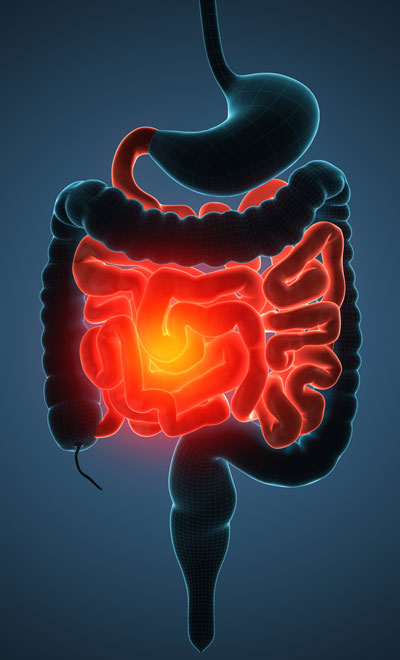
IBD management in the elderly presents distinct complications. Analysis of real-world practice reveals that such patients are frequently managed suboptimally, with misuse of corticosteroids and underuse of steroid-sparing regimens such as immunomodulators and biologics, due in part to worries about therapy-related side events, particularly infection. Early commencement of successful medicines may limit steroid exposure and concomitant adverse effects in the elderly as data about the relative safety and efficacy of each medication in an older IBD patient develops. More research is needed to determine if gut-selective immunosuppression is a safer choice for older individuals while providing the same degree of effectiveness as systemic immunosuppression. Recognising the influence of comorbidity on results with IBD therapy is another distinct problem in older patients, and conversely, recognising the influence of IBD treatment on comorbidity is another distinct problem. Evolving trends in the IBD therapeutic landscape should always be translated to the older patient group before being used in this population. Personalisation, creating specific treatment goals (which should also include preservation of physical status and functional independence), and assessing the risks and advantages of combined immunosuppression are all required in the management of IBD in the elderly patient. Real-world research, shared clinical experience, and prospective studies with well-defined objectives and patient groups can aid in the structuring of evidence-based decision-making and the improvement of long-term clinical outcomes.

As a result, treatment patterns may be poor. Prolonged steroid usage, for example, was discovered to be widespread in the elderly, generating severe morbidity from side effects in a particularly susceptible demographic. Finally, we explore frequent treatment scenarios in the context of a restricted evidence base to identify the limitations within which doctors can individualise care for older patients with IBD. Overall, older IBD patients have a greater risk of side events and poorer treatment responsiveness than younger patients, highlighting the importance of future research to completely characterise optimal treatment regimens for this population.
Finally, doctors should be aware that older IBD patients have worse outcomes during hospitalisation and emergency surgery. In-hospital mortality is greater in senior IBD patients, which is likely due to an increased risk of venous thromboembolism and Clostridium difficile infection in this population. Emergency surgery is also linked to a greater death risk in older IBD patients. To reduce these risks, preventative interventions such as thromboprophylaxis, preoperative dietary optimisation, and antimicrobial usage should be prioritised.
In conclusion, individuals with senior IBD are a diverse population that requires individualised therapy options. Frailty is a significant developing measure that may predict poor outcomes with medical and surgical interventions; nonetheless, effective, validated techniques are necessary to quantify frailty in this group.
Dr. Kiran Peddi, a distinguished gastroenterologist renowned for his expertise in managing inflammatory bowel disease (IBD), brings an unparalleled level of care and insight to the realm of gastroenterology, especially in the context of the elderly. With a deep understanding of the unique challenges and complexities faced by older patients grappling with IBD, Dr. Peddi's compassionate approach, coupled with his extensive knowledge, empowers him to tailor treatment strategies that prioritise both efficacy and the patient's overall well-being. His commitment to staying at the forefront of medical advancements ensures that elderly individuals navigating IBD receive comprehensive, evidence-based care that considers their specific health needs, enhances their quality of life, and fosters a sense of confidence in their treatment journey. Dr. Peddi's dedication to improving the lives of elderly patients with IBD stands as a testament to his unwavering passion for providing exceptional healthcare tailored to the individual.
Book AppointmentFAQs
Elderly-onset IBD refers to Crohn’s disease or ulcerative colitis that is diagnosed after the age of 60. Its incidence is increasing due to better diagnostic methods, longer life expectancy, and environmental factors such as antibiotic use. This later-life onset presents unique challenges, as age-related health conditions can worsen disease management and outcomes.
Treatment in older patients is approached more cautiously due to a higher risk of side effects and complications such as infections. Medications like steroids, immunomodulators, and biologics are used carefully, often in lower-risk or adjusted regimens. In younger patients, treatment may be more aggressive. In elderly patients, the focus is on balancing effectiveness while minimizing side effects and preserving overall function.
Corticosteroids are sometimes overused in elderly IBD patients in Hyderabad because doctors may be cautious about using advanced therapies like biologics due to infection risks. However, long-term steroid use can cause serious side effects in older adults. Today, steroid-sparing options such as TNF inhibitors and integrin blockers are increasingly recommended for safer long-term management.
Elderly IBD patients are at a higher risk of complications during hospital stays, including infections like Clostridium difficile and blood clots (venous thromboembolism). They also tend to have poorer outcomes after emergency surgeries. Preventive strategies such as blood clot prevention, nutritional support, and infection control play an important role in reducing these risks.
Gastroenterologists in Madhapur tailor IBD treatment for elderly patients by carefully evaluating overall health, existing medical conditions, and treatment risks versus benefits. The focus is often on maintaining independence and quality of life. Specialists like Dr. Kiran Peddi follow evidence-based and patient-centered approaches, using safer, targeted therapies to achieve better long-term outcomes.



