Risk of oesophageal cancer in reflux disease
In the intricate landscape of health, understanding the correlation between certain conditions is pivotal. One such association that demands attention is the relationship between reflux disease and the heightened risk of oesophageal cancer. While reflux disease, commonly known as GERD (Gastroesophageal Reflux Disease), might seem benign at first, its implications can extend far beyond mere discomfort.
The Culprit: Chronic Acid Reflux
GERD, characterised by the recurrent backing up of stomach acid into the oesophagus, is the primary suspect in this intricate health puzzle. The persistent exposure of the oesophageal lining to stomach acid can wreak havoc over time. What starts as occasional heartburn or regurgitation can evolve into a chronic condition, damaging the delicate tissues of the oesophagus.
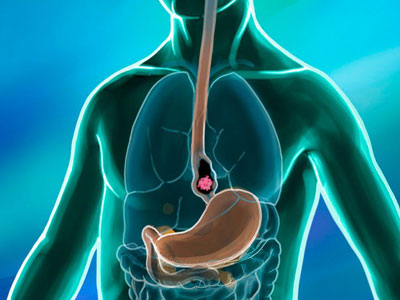
Unveiling the Risk: Oesophageal Cancer
The link between untreated or inadequately managed GERD and the heightened risk of oesophageal cancer is a matter of growing concern. Long-standing inflammation and cellular damage caused by chronic acid exposure can lead to a condition known as Barrett's oesophagus. This precancerous change in the oesophageal lining significantly elevates the risk of developing oesophageal adenocarcinoma, a type of cancer that affects the oesophagus.
Understanding Barrett's Oesophagus
Barrett's oesophagus acts as a pivotal intermediary step in this progression. The normal oesophageal lining is replaced by tissue that resembles the lining of the intestine. While not everyone with GERD develops Barrett's oesophagus, its presence dramatically increases the likelihood of developing oesophageal cancer.
Early detection and management
Recognising the potential consequences of untreated reflux disease is imperative. Timely intervention and management strategies play a pivotal role in mitigating the risk. Seeking medical advice for persistent symptoms of GERD can lead to the early detection of any precancerous changes, enabling proactive measures to reduce the risk of oesophageal cancer.

Strategies for Mitigation
- Lifestyle Modifications: Simple lifestyle changes like dietary adjustments, weight management, and elevating the head during sleep can alleviate symptoms and reduce acid reflux.
- Medication and Treatment: Over-the-counter medications and prescribed therapies can help manage acid reflux effectively. In severe cases, surgical intervention might be recommended.
- Regular Monitoring: For individuals diagnosed with Barrett's oesophagus, routine surveillance through endoscopic examinations is crucial to monitor any progression towards cancer.
The intricate interplay between reflux disease and the potential risk of oesophageal cancer underscores the importance of awareness, proactive management, and early intervention. By understanding the implications and taking the necessary steps, individuals can empower themselves to navigate the complexities of these conditions, potentially preventing the progression to a more serious health concern. Remember, knowledge is the key to proactive health management.
Carafate is an antiulcer medication that doctors occasionally use to treat GERD. Carafate protects your oesophagus against acid reflux by producing a gel-like barrier over it. If you have GERD, Dr. Kiran Peddi can advise you on the appropriate prescription for you.
Untreated GERD raises your chances of oesophageal damage, which can lead to ulcers, a narrower oesophagus, and even cancer. GERD may be managed and, in many cases, cured with medication. If home cures and drugs do not relieve your symptoms, Dr. Peddi may propose surgery.
Book AppointmentFAQs
GERD (Gastroesophageal Reflux Disease) increases the risk of oesophageal cancer through long-term acid reflux that repeatedly damages the lining of the oesophagus. Over time, this chronic irritation can lead to a condition called Barrett’s oesophagus, which is considered precancerous. If left untreated, persistent inflammation may progress to oesophageal adenocarcinoma. Early treatment with lifestyle changes and medications can significantly reduce this risk.
Barrett’s oesophagus is a condition in which long-term acid reflux causes the normal lining of the oesophagus to change into a tissue similar to the intestinal lining. This change increases the risk of developing oesophageal cancer. Regular endoscopic monitoring in Hyderabad helps detect Barrett’s oesophagus early, allowing timely treatment and reducing the risk of complications in patients with chronic GERD.
Gastroenterologists in Hyderabad offer specialized care for GERD and its complications, including endoscopic screening for conditions like Barrett’s oesophagus. They provide early detection, regular monitoring, and personalized treatment plans. This is especially important for patients with long-standing reflux or additional digestive conditions, ensuring timely intervention and reduced cancer risk.
Prevention focuses on controlling acid reflux early. This includes elevating the head while sleeping, avoiding trigger foods, maintaining a healthy weight, and not ignoring persistent heartburn symptoms. Regular check-ups with a gastroenterologist—especially for those in areas like Madhapur—help detect Barrett’s oesophagus early and prevent progression through timely treatment.
Prevention focuses on controlling acid reflux early. This includes elevating the head while sleeping, avoiding trigger foods, maintaining a healthy weight, and not ignoring persistent heartburn symptoms. Regular check-ups with a gastroenterologist—especially for those in areas like Madhapur—help detect Barrett’s oesophagus early and prevent progression through timely treatment.



