The Role of Diet in Managing GI Conditions
Diet and nutrition are recognised to have important roles in the development and treatment of many chronic gastrointestinal illnesses. Many common illnesses, such as inflammatory bowel disease and irritable bowel syndrome, have revealed a strong correlation between symptomatology, disease activity, and eating habits. New dietary strategies such as changing the kind of carbohydrates taken, the daily amount of fat consumed, or the type of metabolites produced in the gut have been investigated in an attempt to decrease patients' symptoms.
IBS is a functional gastrointestinal disorder with a worldwide prevalence estimated to be between 5 and 20%. The Rome IV criteria define the condition as persistent abdominal discomfort for at least four days per month in the previous two months, accompanied by one or more symptoms of changes in the frequency or quality of the faeces. Factors influencing IBS symptoms include changes in the microbiota, low-grade inflammation in the mucosa, hypersensitivity and intolerance to certain foods, increased intestinal permeability, and prolonged antibiotic use appear to be important factors in the development of symptoms.
Over two-thirds of IBS patients believe that specific foods, such as milk and its derivatives, cause their symptoms, prompting some to avoid such foods, with an estimated 12% risk of long-term nutritional shortfalls. Despite this, no specific meaningful association was seen in individuals who reported specific meals or substances as causes of intestinal discomfort. Despite this, some meals appear to be linked to the onset of symptoms.
FODMAPs are mostly found in fruits, legumes, dairy products, and artificial sweeteners and can aggravate symptoms owing to fermentation and osmotic actions in the lumen. These carbs reach the colon, where they produce gas generation due to fermentation induced by the bacterial colic flora, resulting in luminal distension.
Another crucial feature is that, unlike other exclusion diets, the low-FODMAP diet allows the patient to ingest foods from all of the core food categories, minimising the effect on nutrient sufficiency when properly administered.
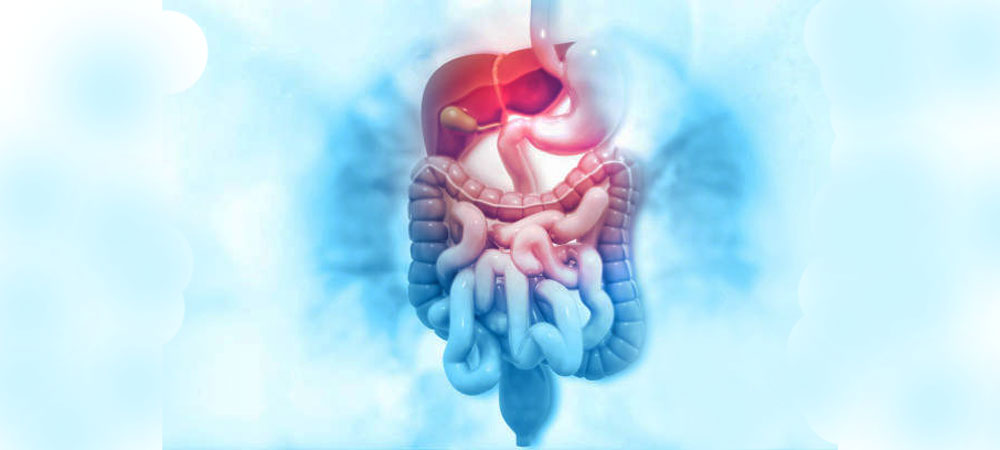
The key suggestions are proper nutrition (three meals a day at regular intervals), excellent hydration (1.5-2 L per day), and avoiding probable illness triggers such as alcohol, caffeine, spicy foods, and fatty foods. Intestinal motility, absorption, and permeability have been altered by alcohol. Caffeine stimulates stomach acid output as well as colic motility. Capsaicin, found in spicy meals, hastens intestinal transit and increases visceral pain. Fat consumption (>50 g per day) is related to decreased small intestinal motility and an increased sense of rectum distension and should be avoided.
There are three main types of primary chronic constipation, with substantial overlap with other illnesses such as IBS. Rectal evacuation problems, delayed transit constipation, and normal transit constipation are the three categories; the last appears to be the most common.
However, the reason for functional constipation is usually multidimensional, with interactions between food type, genetic predisposition, intestinal motility, structure, and absorption, as well as psychological, biological, and pharmaceutical factors.
Among the studies in this field, it has been demonstrated that the response to food in patients with slow transit constipation is characterised by shorter contractile activity in all three colon segments and the rectum, as well as significantly fewer high-amplitude propagated contractions.
Exclusion diets such as "low-FODMAP", Chron’s disease treatment with eating diet (CD-TREAT), and Chron’s disease exclusion diet (CDED) have produced encouraging outcomes for common disorders including IBD and IBS. The significant range in the outcomes of certain research can be ascribed to both the diverse study methods (mainly retrospective or done in small cohorts of patients) and the great variation of gastrointestinal illness symptoms.
Book AppointmentFAQs
Diet plays a major role in managing IBS by reducing foods that trigger symptoms like bloating, gas, and abdominal discomfort. One key trigger group is FODMAPs—certain carbohydrates that ferment in the gut and worsen symptoms. A low-FODMAP diet limits these foods while still including balanced nutrition from all major food groups, helping control symptoms without causing nutritional deficiencies.
The low-FODMAP diet is a structured eating plan that reduces fermentable carbohydrates found in foods like onions, garlic, wheat, and certain fruits and legumes. It is commonly recommended for people with IBS who experience symptoms such as abdominal pain, bloating, or irregular bowel habits. It is usually followed under guidance, as it helps identify trigger foods while maintaining overall nutritional balance.
Alcohol can disrupt gut movement and increase intestinal permeability, while caffeine may increase acid production and bowel activity. Spicy foods containing capsaicin can speed up digestion and increase pain sensitivity. In conditions like IBS or chronic constipation, avoiding these along with very high-fat meals can help reduce symptoms such as bloating, discomfort, and irregular bowel movements.
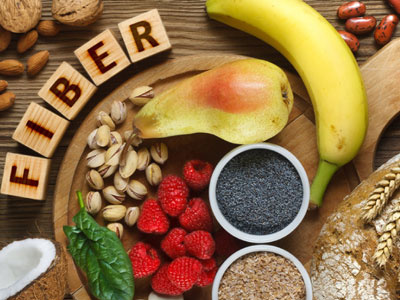
Managing chronic constipation involves regular meals, adequate hydration (around 1.5–2 liters of water daily), and a high-fiber diet to support healthy bowel movements. Including fruits, vegetables, and whole grains can improve colon function. Avoiding heavy, fatty foods also helps improve gut motility. Since causes can vary, dietary changes should be tailored to individual symptoms.
In IBD management, specialized diets such as CDED (Crohn’s Disease Exclusion Diet) or CD-TREAT may be used to reduce inflammation and avoid symptom-triggering foods while maintaining proper nutrition. These diets are usually customized based on disease severity and patient needs. In Hyderabad, gastroenterologists guide patients in combining diet with medical treatment for better long-term control of bowel inflammation.



