Pancreatitis Diet : Foods to Eat & Avoid
Navigating the complexities of pancreatitis can be challenging, especially when it comes to dietary choices. Dr Kiran Peddi’s comprehensive guide, 'Pancreatitis Diet: Foods to Eat and Avoid,' is designed to demystify this journey, offering you essential insights into the best and worst foods for your condition.
With a focus on nurturing and protecting your pancreas, this blog serves as your go-to resource for crafting a diet that not only alleviates symptoms but also fosters long-term well-being.
Pancreatitis is the inflammation of the pancreas. The pancreas is a flat, tadpole-shaped gland found in the upper abdomen, near the rear of the stomach. It produces enzymes and hormones that aid in digestion and help regulate sugar metabolism in the body.
Pancreatitis can be caused by a variety of factors, including excessive alcohol consumption, gallstones, a history of abdominal surgery, the use of certain medications, smoking, a history of cystic fibrosis, a family history of pancreatitis, elevated calcium levels in the blood, or high triglyceride levels in the blood.
Pancreatic inflammation reduces the synthesis of digestive enzymes, resulting in less absorption of nutrients supplied by meals. Weight loss arises from decreased absorption of important nutrients, which adds to overall malnutrition and generalised weakness.
Though food alone does not contribute to pancreatitis treatment, people with pancreatitis benefit from dietary adjustments and other lifestyle changes.
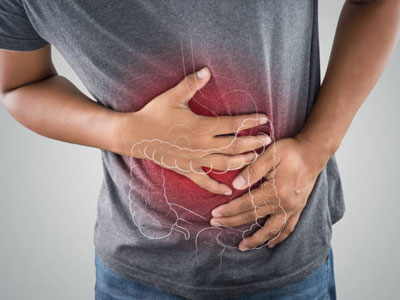
Though acute pancreatitis normally cures in one to two weeks, solid meals are usually avoided during this time to reduce the stress on the pancreas. When pancreatitis is diagnosed, doctors normally advocate consuming tiny quantities of food; however, observations show that most individuals begin eating small amounts of food as soon as the symptoms subside.
Pancreatitis Diet : Foods to Eat
Solid meals are safe once pancreatitis has been treated; nevertheless, it is best to ingest foods that are simple to digest and low in fat.
Doctors normally advocate a high-protein diet with just moderate quantities of animal fat and sugar. The following foods are safe to consume when suffering from pancreatitis:
- Protein-rich meals such as lentils and beans
- Milk, whether skimmed or nonfat, and milk products
- Fruits and vegetables that are in season
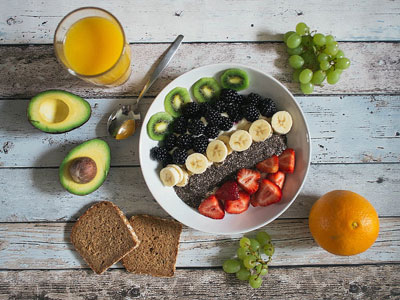
- Antioxidant-rich foods include berries, green leafy vegetables, nuts, and berries
- Complete grains
However, because of their high fat content, foods like olive oil, fatty fruits like avocado, nuts, and fatty seafood should be consumed in moderation. The Mediterranean diet is advised during pancreatitis since it is easier to digest, especially if you are recovering from acute or mild pancreatitis.
Consuming veggies and fruits boosts fibre intake while decreasing total cholesterol intake. Reduced cholesterol consumption reduces the likelihood of developing gallstones and high triglyceride levels, both of which are risk factors for developing acute pancreatitis. An antioxidant-rich diet also assists in the elimination of free radicals from the body, which decreases pancreatic inflammation.
It has also been shown that meals high in medium-chain triglycerides (MCTs), such as coconut oil, help to improve overall nutritional absorption after the beginning of pancreatitis.
Pancreatitis Diet : Foods to Avoid
Foods high in fat content, particularly fried foods and those high in fat and/or sugar, should be avoided at all costs. Avoid red meat, sugary beverages, rich sweets, and full-fat milk or milk products.
The pancreas is in charge of fat metabolism in the body. An inflamed pancreas makes it harder to release the enzymes necessary for digesting a high-fat diet. Consuming a diet heavy in fat and sugar boosts triglyceride levels in the body, which increases the risk of developing acute pancreatitis. According to research, eating a lot of red meat and processed meat raises your chances of getting pancreatic cancer.
Lifestyle Tips For Pancreatitis
A few simple dietary and lifestyle adjustments can help with acute pancreatitis healing. The following are some easy procedures that may be implemented into the recovery process to expedite it:
- Consuming numerous small-portioned meals and splitting total food intake into six to eight little meals per day minimises the pancreas' workload.
- Adding one to two teaspoons of medium-chain triglycerides (MCTs) to meals on a regular basis aids in the recovery from moderately severe or severe chronic pancreatitis.
- It is important to take a multivitamin supplement that contains vitamins A, D, E, K, B12, zinc, and folic acid.
- Consuming less than 30 grammes of fat each day; avoiding saturated fats.
- Avoid using tobacco and alcohol.
- Drink plenty of water every day.
It's important to remember that each individual's journey with pancreatitis is unique. While this guide serves as a foundational compass for navigating your dietary choices, listening to your body & consulting with a specialist is key to better disease management. Don’t hesitate to reach out to Dr. Kiran Peddi, the best gastroenterologist in Hyderabad, for personalised advice.
Book AppointmentFAQs
A pancreatitis-friendly diet focuses on low-fat, easy-to-digest foods that reduce stress on the pancreas. Good options include lentils, beans, skim milk, seasonal fruits, vegetables, berries, green leafy vegetables, nuts in moderation, and whole grains. These foods provide essential protein, fiber, and antioxidants that support healing and improve nutrient absorption during recovery.
It is important to avoid high-fat and heavily processed foods such as fried items, red meat, processed meats, full-fat dairy products, sugary beverages, and rich desserts. These foods increase fat levels in the blood and put extra strain on the pancreas, which can worsen inflammation or trigger flare-ups.
Diet plays a key role in reducing the workload of the pancreas and supporting recovery. A structured plan usually includes small, frequent meals that are low in fat and rich in nutrients. Some diets may also include healthy fats like medium-chain triglycerides (MCTs), along with antioxidant-rich fruits and vegetables. In Hyderabad, gastroenterologists provide personalized diet plans based on the cause of pancreatitis, such as gallstones or high triglycerides, to prevent complications and improve recovery.
The Mediterranean diet is often recommended because it is naturally low in unhealthy fats and rich in fruits, vegetables, whole grains, and healthy fats like olive oil. It helps reduce inflammation, improves cholesterol levels, and lowers the risk of gallstones and high triglycerides—both common causes of pancreatitis. It is also gentle on digestion and supports better long-term pancreatic health.
Solid foods are usually introduced once acute symptoms improve, often within 1–2 weeks depending on severity. The process should be gradual, starting with small portions of low-fat, easy-to-digest foods. Gastroenterologists in Hyderabad, including those in areas like Madhapur, typically guide this transition carefully to avoid overloading the pancreas and to ensure proper nutritional recovery.



