Role of Alcohol in Liver Cirrhosis
Alcoholic liver damage develops after years of heavy drinking. Scarring and cirrhosis can develop over time. Cirrhosis is the last stage of alcoholic liver damage.
Alcoholic liver damage does not affect every heavy drinker. The longer you drink and the more alcohol you consume, the more likely you are to develop liver damage. The illness does not require intoxication to occur.
The condition is more frequent in adults aged 40 to 50. Men are more prone to be affected by this disorder. Women, on the other hand, may get the condition after consuming less alcohol than men. Some people may be predisposed to the condition.
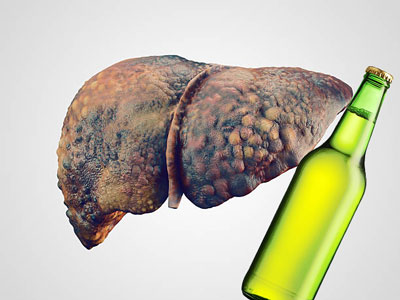
Long-term alcohol misuse can cause serious liver damage, known as alcoholic liver disease. Alcoholic liver damage generally develops after years of excessive drinking. The longer you misuse alcohol and consume more alcohol, the more likely you are to develop liver damage. Alcohol can induce swelling and inflammation in your liver, a condition known as hepatitis. This can eventually progress to scarring and cirrhosis of the liver, the last stage of alcoholic liver disease.
Cirrhosis, regrettably, causes irreparable harm. Your doctor will most likely test your blood, do a liver biopsy, and perform a liver function test to identify if you have alcoholic liver disease. Other tests should be performed to rule out other disorders that might be causing your symptoms. Depending on the severity of your ailment, your symptoms may differ.
Symptoms are usually worse following a recent period of excessive drinking. In fact, you may not notice any signs until the disease has progressed very far. Alcoholic liver disease symptoms include stomach discomfort and soreness, dry mouth and increased thirst, weariness, jaundice (yellowing of the skin), lack of appetite, and nausea. Your skin may appear unusually black or light. Your feet or hands may be flushed. Small, crimson, spider-like blood vessels may appear on your skin. You may have unusual bleeding. Your stools might be red, dark, black, or tarry. You may get frequent nosebleeds or gum bleeding. You may vomit blood or stuff like coffee grounds. Alcoholic liver disease can also have an impact on the brain and neurological system. Agitation, mood swings, disorientation, discomfort, numbness, or tingling in your arms or legs are among the symptoms. The most critical aspect of therapy is to entirely abstain from alcohol.
If you do not yet have liver cirrhosis, your liver can mend itself if you quit consuming alcohol. To break free from alcohol, you may require an alcohol recovery programme or counselling. Vitamins, particularly B-complex vitamins and folic acid, can aid in the reversal of malnutrition. If cirrhosis develops, you will have to deal with the complications it might create. It may even need a liver transplant.
Lifestyle Changes in Treatment
Some things you can do to help manage your liver condition include:
- Stop consuming alcohol.
- Consume a healthful, low-salt diet.
- Obtain vaccinations against infections such as influenza, hepatitis A and B, and pneumococcal pneumonia.
- Inform your provider about all of your medications, including herbal supplements and over-the-counter medications.
Your Doctor's Medicine
- "Water pills" (diuretics) to reduce fluid retention
- Preventing excessive bleeding with vitamin K or blood products
- Medications to treat mental confusion
- Infection antibiotics
Other Medications
- Endoscopic therapies for esophageal varices (enlarged veins in the oesophagus)
- The evacuation of fluid from the abdomen is known as paracentesis
- Transjugular intrahepatic portosystemic shunt (TIPS) implantation to restore blood flow in the liver
Cirrhosis may require a liver transplant if it advances to end-stage liver disease. Only patients who have abstained from alcohol for 6 months are candidates for liver transplantation for alcoholic liver disease.
Book AppointmentFAQs
Alcohol plays a major role in liver cirrhosis by causing long-term inflammation and gradual scarring of the liver after years of heavy drinking. The risk increases with both the amount and duration of alcohol consumption. However, not everyone who drinks heavily develops cirrhosis—factors such as age (commonly seen in the 40–50 age group), gender (men are more affected, though women are at higher risk with lower intake), and genetics also influence risk. Cirrhosis represents the final and irreversible stage of alcoholic liver disease.
Early symptoms may include fatigue, loss of appetite, nausea, abdominal discomfort, dark-colored stools, easy bruising or bleeding, and jaundice (yellowing of the skin and eyes). In many cases, early-stage disease may have no noticeable symptoms. Diagnosis is usually made through blood tests, liver function tests, imaging studies, and sometimes a liver biopsy to confirm the extent of damage and rule out other causes.
Gastroenterologists in Hyderabad who specialize in liver diseases manage conditions like cirrhosis through detailed evaluation, long-term care, and procedures such as endoscopy when needed. For patients in and around areas like Madhapur, it is important to consult experienced specialists who are skilled in treating alcoholic liver disease and its complications for better outcomes.
Stopping alcohol completely is essential because it allows the liver to heal in early stages of damage and prevents further progression to cirrhosis. Continued alcohol use worsens liver injury and leads to irreversible scarring. Treatment focuses on complete abstinence, along with nutritional support, vitamin supplementation, counseling, and management of complications such as fluid buildup in the abdomen.
Treatment begins with complete alcohol abstinence, dietary changes such as a low-salt diet, vaccinations, and medications to manage complications like fluid retention or infections. In advanced cases, procedures such as endoscopic treatment, fluid drainage, or even liver transplantation may be required after a period of sustained sobriety. Gastroenterologists in Hyderabad also use advanced options like TIPS (Transjugular Intrahepatic Portosystemic Shunt) in select cases to manage blood flow-related complications.



