ALCOHOLIC LIVER DISEASE
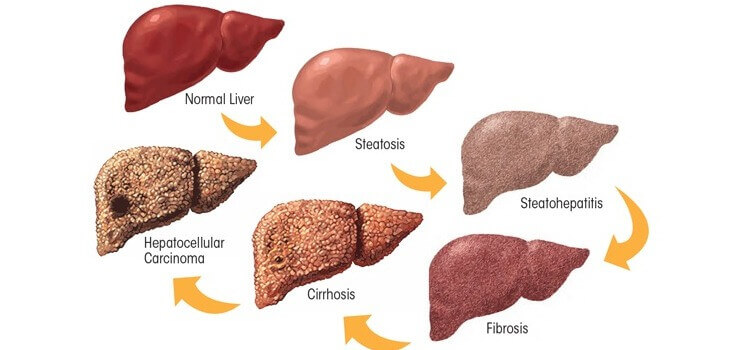
Alcoholic Liver Disease is an acute form of liver damage resulting from excessive alcohol consumption over prolonged periods of time.
Liver generally tends to regenerate & repair itself. Hence, any damage to the liver is difficult to diagnose in the early stages and by the time the damage is recognised, it is irreversible.
What are the signs & symptoms?
The most common sign is Jaundice, a condition in which skin & whites of the eyes turn yellow. Other symptoms include:
- Nausea & vomiting
- Abdominal pain or tenderness
- Tiredness & fatigue
- Loss of appetite
- Slight fever
What causes Alcoholic liver disease?
Following are some of the factors that play a role in alcoholic hepatitis:
- When the body’s tries to break down alcohol it produces highly toxic chemicals
- These chemicals lead to inflammation which damages the liver cells.
- Over a period of time, the healthy liver tissue gets replaced by scars which interfere with the liver function.
- Consuming Alcohol with Hepatitis C
- Most heavy drinkers are malnourished as they eat less or their body’s do not absorb nutrients properly. This could be a contributing factor to cell damage in the liver.
Other Factors that lead to Alcoholic hepatitis are:
What are the risk Factors?
The main risk factor is the amount of alcohol a person consumes. Although it is unknown how much alcohol puts you at risk of alcoholic liver disease, research indicates that patients with this disease have a history of consuming over 100 grams every day for many years.
However, alcoholic liver disease can occur in individuals who drink much less, but have other risk factors which include:
- Gender: Women tend to have higher risk of developing alcoholic liver disease compared to men
- Obesity: People who are are overweight and consume excessive alcohol have a higher chance of developing alcoholic liver disease
- Genetic Factors: Research indicates that alcoholic liver disease may also be hereditary.
- Binge Drinking: Men consuming more than 5 drinks and women consuming 4 or more within a span of two hours increasing risk of alcoholic liver disease manifold.
What are the complications?
Complications arising from alcoholic liver disease are many and mostly are a result of severe damage to the liver.
- Enlarged Veins in stomach and oesophagus resulting from obstructed blood flow through portal vein
- Ascites is a medical condition in which fluid that accumulates in the abdomen gets infected. Although this isn’t a life threatening condition, it is a sign of advanced alcoholic liver disease or liver cirrhosis.
- Drowsiness or Slurred Speech: Damage in the liver implies that the liver is too weak to remove toxins from the body. Excessive toxins in the body can lead to brain damage known as hepatic encephalopathy which can result in coma.
- Kidney Failure: Damage in the liver can have an adverse affect on the flow of blood to the kidneys, resulting in kidney damage
- Cirrhosis or scarring of the liver and consequently, liver failure
How can it be prevented?
Simple lifestyle modifications can help prevent alcoholic liver disease & associated complications:
- Consume alcohol in moderation
- Protect yourself from acquiring Hepatitis C infection
- Check with your doctor before consuming alcohol while on medications
FAQs
Alcoholic liver disease occurs when excessive alcohol consumption damages the liver over time. It can progress from fatty changes to inflammation and more serious conditions. The risk increases with long-term alcohol use.
Early stages may have mild or no symptoms. Some people may notice fatigue, loss of appetite, or mild abdominal discomfort. Symptoms often become more noticeable as the condition progresses.
You should seek medical advice if you have a history of alcohol use and notice symptoms like weakness, jaundice, or swelling. Early evaluation helps prevent further liver damage. Prompt care improves outcomes.
Diagnosis involves medical history, physical examination, and blood tests to assess liver function. Imaging or additional tests may be recommended if needed. The evaluation depends on symptoms and severity.
Early stages can often be improved by stopping alcohol and adopting healthy lifestyle changes. Treatment focuses on preventing further damage and supporting liver recovery. Advanced stages require more intensive management.
Yes, it can largely be prevented by limiting or avoiding alcohol consumption. Maintaining a healthy lifestyle and regular check-ups also help reduce risk. Prevention is key to long-term liver health.



