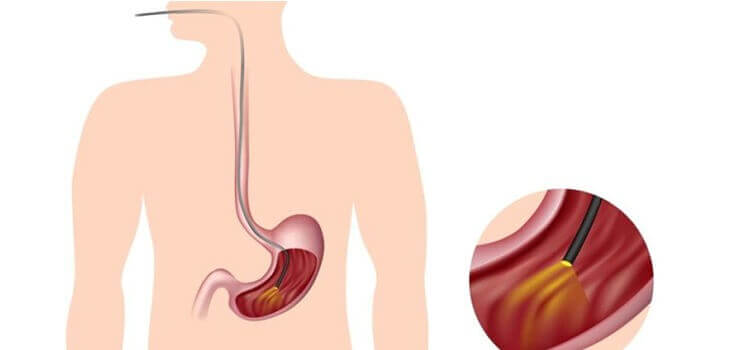
UPPER GI ENDOSCOPY
It is a procedure in which the doctor uses a long thin flexible tube, known as endoscope, to detect any abnormalities in the upper gastrointestinal tract. The endoscope has a camera attached at tip which projects the video images on the monitor. Certain tools may be inserted into the endoscope to collect tissue samples, remove food that may be stuck, inject air or fluid or to stop bleeding.
The upper GI tract include Oesophagus, stomach & the topmost part of the small intestine also known as duodenum.
Why is an Upper GI endoscopy required?
Upper GI endoscopy may be performed to identify the cause of certain symptoms.
- Unexplained weight loss
- Pain in the upper abdomen
- Pain or difficulty swallowing
- Persistent Vomiting
- Persistent Heartburn
- Bleeding in the upper gastrointestinal tract
- Gastroesophageal Reflux Disease (GERD)
- Inflammation & Ulcers
- Tumours
- Hiatal Hernia
- Coeliac Disease
- Coeliac Disease
- Infections
- Treat bleeding from ulcers, oesophageal varies
- Open up blockages
- Remove polyps
- Place drainage tubes
An Upper GI endoscopy can detect digestive problems such as:
Upper GI endoscopy may also be used to:
What are the associated risks?
Upper GI endoscopy is a safe procedure. However, there may be complications such as:
- Infection
- Bleeding
- Perforation of duodenum, oesphagus or stomach
How to prepare for an Upper GI endoscopy?
Inform your doctor about your medical history with details about all the medications that you are currently using. The doctor may suggest you to temporarily stop your medications before performing Upper GI endoscopy, including medications such as:
- Medications for Diabetes
- Medications for Arthritis
- Medications for Blood Pressure
- Blood Thinners
- Nonsteroidal Anti-inflammatory Drugs
What to expect during the procedure?
Prior to the procedure, an intravenous sedative may be administered to the patient to help him stay relaxed & comfortable. A liquid medicine or spray may also be given to numb the throat.
An endoscope is inserted into your throat and moved down into the stomach & duodenum through the oesophagus. During the procedure the doctor may:
- Collect tissue sample for analysis
- Stop the bleeding or
- Perform other procedures such as unblocking strictures
The procedure may last from 15 to 30 minutes.
After the Procedure, the patient will be discharged in a few hours once the sedative wears off. The patient may experience bloating for sometime & a sore throat for a couple of days.
What are the risks of an Upper GI endoscopy?
- Bleeding in the site from where tissue samples are collected or a polyp is removed.
- Hole in the lining of upper GI tract
- Adverse reaction to the sedative
- Chest Pain
- Breathing difficulties
- Pain or difficulty swallowing
- Vomiting
- Abdominal pain that doesn’t improve even after a day
- Bloody stools
- Fever
If the patient experiences any of the symptoms after the procedure, it is best to seek immediate medical help
FAQs
Upper GI endoscopy is a procedure used to examine the esophagus, stomach, and upper part of the small intestine using a flexible camera. It helps diagnose causes of symptoms like acid reflux, pain, or bleeding.
It is recommended if you have persistent symptoms such as difficulty swallowing, chronic heartburn, unexplained vomiting, or upper abdominal pain. A specialist in Hyderabad may also suggest it for further evaluation.
No, the procedure is generally not painful. It is usually done under sedation, so patients are comfortable and may not remember the procedure afterward.
You are typically advised to fast for several hours before the procedure. Your doctor may also give specific instructions regarding medications and preparation.
The procedure usually takes 10–20 minutes. Most patients can go home the same day, although rest is recommended until the effects of sedation wear off.
Upper GI endoscopy is generally safe, but like any procedure, it carries minimal risks such as mild discomfort or rare complications. A trained gastroenterologist ensures safety and proper care.



