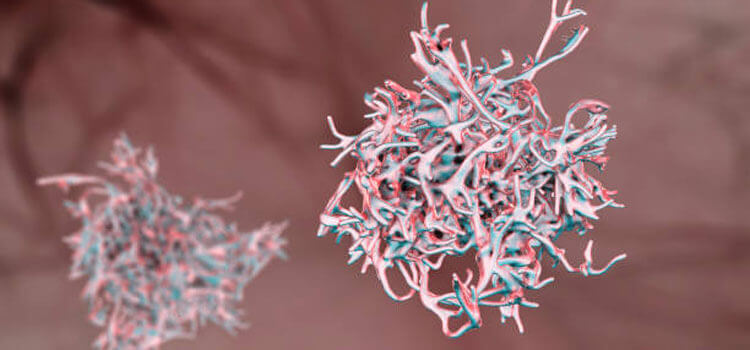
AMOEBIASIS
is a medical condition in which intestines are infected by a parasitic - E. Histolytica. It is a single celled protozoan that enters a person’s body either through direct contact with faecal matter or when he or she ingests cysts through contaminated food or water.
When cysts enter the body, they get deposited in the digestive tract where they multiply and migrate to the large intestine. The parasites then settle in the intestinal wall or the colon leading to bloody bowel movements, colitis & damage to the tissue. The disease can spread through the faecal matter of the infected person. It may also get transmitted during anal sex.
What are the risk factors?
Amoebiasis is more common in tropical countries such India, parts of central & South America & Africa. Risk of acquiring this infection is higher in:
- People living in poor sanitary conditions
- Men having sex with men
- People with compromised immune systems
What are the symptoms?
In most cases, there are no signs or symptoms. Even when they occur, symptoms are generally very mild and may include:
- Pain in the stomach
- Belly cramps
- Diarrhoea
- Severe abdominal pain
- Blood in the stools
- Fever
In Amoebic dysentery, a severe form of amoebiasis, symptoms are more severe & may include:
What are the complications?
Once the parasites get into the intestinal walls, they can enter the blood stream & move into various internal organs such as the liver, heart, lungs or brain. Once a parasite invades an internal organ, it can lead to severe complications such as:
- Infections
- Abscesses
- Severe illness
- Death
What are the complications?
Colon polyps can lead to cancer. Regular screening is key to detect it in early stages & prevent complications.
How is it diagnosed?
- Your doctor may recommend for stool tests to screen for cysts. Blood tests may also be required to check for liver function.
- If the parasite has spread to internal organ, it does not show up in the stool. In such cases, ultrasound or CT scan may be recommended. Colonoscopy may also be performed to check for presence of parasites in the colon.
How is it treated?
Treatment generally involves medications to kill the parasite in the walls of the intestine & the liver. Medications are usually prescribed as a 10 day course which may be taken orally or intravenously.
FAQs
Amoebiasis is an intestinal infection caused by a parasite called Entamoeba histolytica. It usually spreads through contaminated food or water. Poor sanitation and hygiene increase the risk of infection.
Symptoms often include diarrhea, abdominal pain, and cramps. Some people may also have mucus or blood in stools, along with fatigue or mild fever. In some cases, symptoms can be mild or absent.
You should seek medical advice if diarrhea persists, becomes severe, or includes blood in stools. Dehydration, weakness, or ongoing abdominal pain also need evaluation. Early treatment helps prevent complications.
Amoebiasis is usually diagnosed through stool tests that detect the parasite. In certain cases, additional tests may be recommended based on symptoms. Accurate diagnosis is important before starting treatment.
Yes, it is usually treated with specific medications that eliminate the parasite. Completing the full course of treatment is important for recovery. Most people respond well when treated early.
Prevention focuses on safe food and water practices. Drinking clean water, maintaining hygiene, and proper handwashing reduce the risk. Avoiding contaminated sources is key to prevention.



