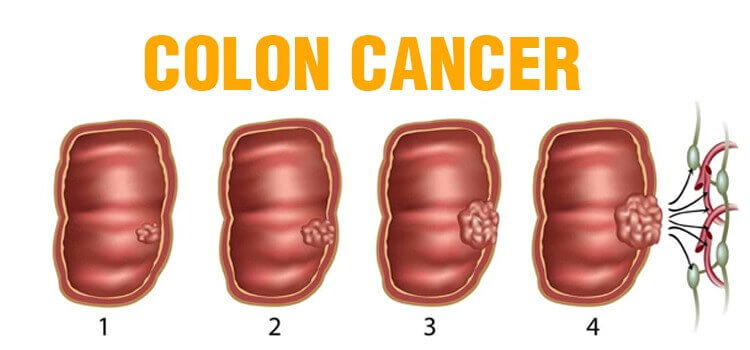
COLON CANCER
Colon cancer is abnormal growth of cells in the large intestine (colon) or the rectum.
What are the Symptoms?
Early stages of colon cancer may not have any symptoms. However, if symptoms do occur, they include:
- Constipation
- Diarrhoea
- Changes in stool color
- Blood in bowel movements
- Pain in the abdomen
- Cramps in the belly
- Bloating & gas
- Bleeding from the rectum
- Excessive fatigue
- Unintended weight loss
- Weakness
- Vomiting
- Changes in bowel movements
- Jaundice
- Swelling in hands & legs
- Difficulty Breathing
- Persistent Headaches
- Blurred vision
The advanced stages (stage 3 & 4) of colorectal cancer may include:
In cases where the cancer spreads to other parts, the patient may experience:
Are there any risk factors?
A person’s chances of developing colorectal cancer increase due to certain factors such as:
- Age above 50
- Being obese
- Smoking
- Excessive alcohol consumption
- Type 2 Diabetes
- Sedentary Lifestyle
- Consuming a diet rich in fats, processed foods or red meats
- Certain Medication Conditions
- Colon Polyps
- Bowel disorders
- Family history of colorectal cancer
- Familial Adenomatous Polyposi
How is it treated?
Treatment for colorectal cancer depends on the patient’s over health and the stage of cancer.
Surgical Intervention: In the early stages of cancer, it may be possible to have the cancerous growths removed through surgery. If the cancer spreads to the walls of the bowel, your surgeon may need to remove a part of the colon or rectum and the nearby lymph nodes.
Chemotherapy: Chemotherapy is common treatment approach in case of colorectal cancers to control the growth of the tumour. Even in advanced stages, chemotherapy can help relieve symptoms. However, it does have side effects which may need to be treated with other medications.
Radiation Therapy: This therapy is generally administered along with chemotherapy to target & destroy cancer cells. Radiation therapy may be given before or after the surgery.
Can it be prevented?
Generally it is recommended for individuals above the age of 50 to undergo colon cancer screening. This is even more crucial in people with a family history.
There are certain steps one can take to prevent Colon Cancer:
- Nutrition: Eat a variety of fruits, vegetables & whole grains as they contain good amounts of vitamins, minerals & fibre which play a significant role in preventing cancer
- Have an exercise routine: Try to get at least 30 minutes of workout for 5 days a week.
- Maintain ideal body weight
- Cut down on alcohol: Limit alcohol consumption to one drink per day.
- Quit Smoking
FAQs
Colon cancer is a type of cancer that starts in the large intestine. It often develops from small growths called polyps that can change over time. Early detection helps in effective treatment.
Early signs may include changes in bowel habits, blood in stool, abdominal discomfort, and unexplained weight loss. Symptoms can be subtle and may develop gradually. Persistent changes should be evaluated.
You should consult a doctor if you notice ongoing bowel changes, bleeding, or unexplained fatigue. Symptoms lasting for several weeks need proper evaluation. Early screening improves outcomes.
Colon cancer is usually diagnosed through colonoscopy and biopsy. Imaging tests may also be used to assess the extent of the condition. Diagnosis depends on clinical findings and test results.
Yes, treatment is possible and depends on the stage of the disease. Options may include surgery, medications, or other therapies. Early-stage detection generally leads to better results.
Risk factors may include age, family history, lifestyle habits, and certain digestive conditions. Not everyone with risk factors develops cancer, but regular screening helps reduce risk.



