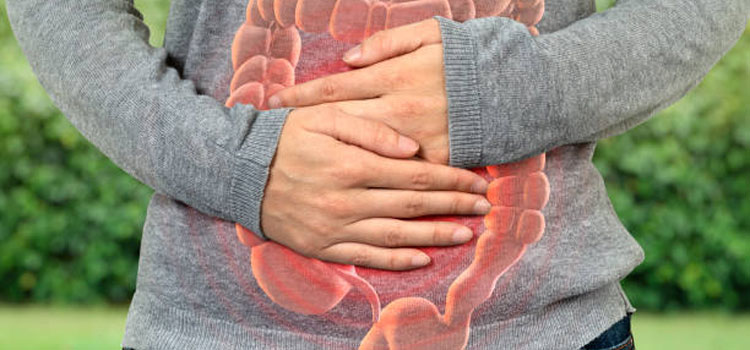
CONSTIPATION
Constipation is a medical condition in which patient experiences infrequent bowel movements or has difficulty in passage of stools. Generally, it occurs due to insufficient intake of fibre or changes in diet. It is one of the most frequent gastro intestinal complaints.
It is best to consult a doctor if constipation lasts longer than 3 weeks or if you experience blood in your stools.
What are the Symptoms?
- Lumpy or hard stools
- Pain or strain during bowel movements
- Stomach ache
- Bloating
- Nausea
- Fewer than 3 bowel movements in a week
- Feeling of fullness even after bowel movement
What are the causes?
Causes of Constipation include:
- Lifestyle Factors:
- Diet low in fibre
- Dehydration
- Lack of exercise
- Changes in eating or sleeping routine
- Eating too much cheese or milk
- Stress
- Medical Conditions
- Pregnancy
- Colorectal cancer
- Irritable Bowel Syndrome
- Neurological Disorders such as Parkinson’s disease or stroke
- Intestinal Obstruction
- Diabetes
- Hypothyroidism
What are the risk factors?
- Age: Due to slower metabolism & lesser muscle contraction strength, constipation is more common in older adults
- Pregnancy: Hormonal changes that occur in the body during pregnancy can lead to constipation
- Certain Medications such as sedatives or antidepressants can cause constipation
- Misuse of laxatives
How is Diagnosed?
The doctor will check your medical history and understand your lifestyle & bowel movements routine before recommending tests. Some of the commonly recommended tests include:
- Blood & urine tests to detect thyroid, diabetes or anemia
- Stool tests to check for signs of infection or inflammation
- Imaging tests such as CT Scan & MRI
- Colonoscopy
- Sigmoidoscopy
- Colorectal transit studies
- Other bowel function tests
How is it treated?
Treatment for constipation typically starts with changes in diet & lifestyle. If these do not work, your doctor may the recommend medication or surgical intervention
Lifestyle changes include:
- Dietary changes:
- Adding more fibre with lots of fruits & vegetables is recommended. Generally 14 grams of fibre for 1000 calories of food is considered good.
- Avoid caffeine & alcohol
- Drinking 4-5 additional glasses of water
- Physical activity: Try to workout for at least 5 days a week
- When you have the urge to have a bowel movement, do not ignore it
- Fibre Supplements
- Stool softeners
- Lubricants
- Osmotics
Medications recommended for constipation include:
Surgical intervention may be required when all other treatment methods have failed & constipation is the result of a blockage in colon, narrowing of the intestine, anal fissures or rectal prolapse.
How can it be prevented?
Constipation can easily be prevented by making simple changes to the diet. Some of the preventive measures include:
- Eat High fibre foods
- Drink lots of fluids
- Stay active
- Manage stress
- Create a regular schedule for bowel movements
- Flax seeds
- Beans
- Kiwi
- Apples
- Berries
Some of the foods that prevent constipation are:
FAQs
Constipation is a condition where bowel movements become infrequent or difficult to pass. It is often caused by low fiber intake, dehydration, lack of physical activity, or changes in routine. Some medications and medical conditions can also contribute.
Symptoms include hard or dry stools, straining during bowel movements, and a feeling of incomplete evacuation. Some people may also experience bloating or abdominal discomfort. Symptoms can vary in severity.
You should seek medical advice if constipation is persistent, severe, or accompanied by pain, bleeding, or unexplained weight loss. Symptoms that do not improve with basic measures need evaluation.
Diagnosis is usually based on symptoms, medical history, and physical examination. In some cases, additional tests may be recommended to identify underlying causes. The approach depends on duration and severity.
Yes, most cases can be managed with dietary changes, increased fluid intake, and regular physical activity. Medications may be prescribed if needed. Treatment depends on the underlying cause.
Prevention includes a high-fiber diet, adequate hydration, and maintaining regular bowel habits. Staying physically active and responding to natural urges can also help reduce the risk.



