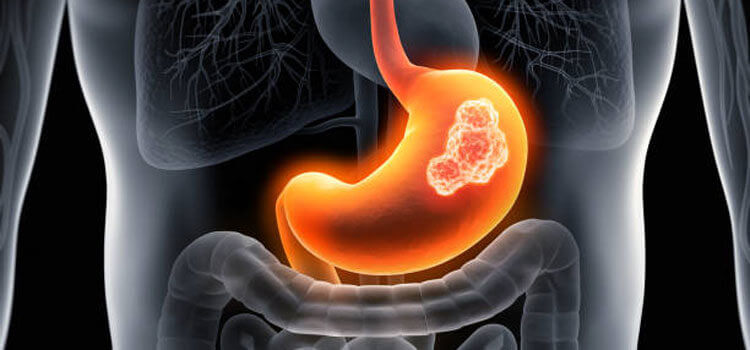
Gastric Cancer
Gastric Cancer, also known as the stomach cancer, is the uncontrolled abnormal growth of cells in the stomach. Gastric cancers tend to grow slowly over a long period. Many early changes occur in the inner mucosal lining of the stomach before the true cancer appears. However, they are generally go unnoticed as the body shows no signs or symptoms.
Types of Gastric Cancers
There are various types of stomach cancers
- Adenocarcinoma: Nearly 95 percent of all gastric cancers are Adenocarcinomas. This cancer begins in the mucosal cells of the stomach
- Lymphoma: Lymphomas are cancers of the immune system which sometimes appear in the walls of stomach
- Gastrointestinal Stromal Tumour (GIST): These are rare forms of cancer that originate in the walls of the Gastrointestinal tract, most commonly the stomach
- Carcinoid Tumor: This type of cancer develops in the lining of the digestive tract
What are the Symptoms?
In most cases, there are no signs or symptoms of gastric cancer. This means that the diagnosis happens only in the advanced stages making treatment difficult.
Some of the common signs are:
- Nausea & vomiting
- Persistent Heartburn
- Loss of Appetite
- Bloating
- Feeling full after small meals
- Bloody stools
- Jaundice
- Severe tiredness & fatigue
- Pain in the stomach, especially after meals
What are the risk factors of Gastric Cancer?
Although the exact cause of Stomach cancer is unknown, there are certain factors that increase your risk of getting gastric cancer.
- Age: Research indicates that stomach cancers are more common in adults above the age of 50
- Gender: Men are more likely to get the cancer of the stomach as compared to women
- Family History: There is a greater chance of an individual being diagnosed with gastric cancer, if his or her parents have it
- Smokers: Gastric cancers are more commonly found in individuals who smoke cigarettes & other tobacco products
- Medical conditions: There are certain diseases which increase a person’s chances of getting gastric cancer. These are:
- Stomach Polyps
- Tumors in other parts of the digestive system
- H. Pylori Infection
- Lymphoma
How is it diagnosed?
It is difficult to diagnose Gastric Cancer as symptoms do not show until advanced stages. In order to diagnose stomach cancer, your gastroenterologist may perform a physical evaluation to detect any abnormalities.
Blood tests may be recommended to check for the presence of H.pylori bacteria. If the patient shows signs of gastric cancer, the doctor may then recommend certain tests which specifically look for tumors & other abnormalities in the stomach. Some of the common tests include:
- Upper GI Endoscopy
- Biopsy
- CT Scan
- X Rays
How is it treated?
Treatment for Gastric Cancer, like any other cancer, depends on where the cancer has started and how much it has spread. Stomach cancers can grow through the lining of the stomach & spread to nearby organs. They can also invade lymph nodes. In advanced stages, gastric cancer can spread to other organs such as liver, lungs or bones.
As the gastric cancer remains limited to the inner layers of the stomach in the initial stage (Stage 0), surgery alone can treat the disease. The surgical method may be total gastrectomy or endoscopic resection.
In stage 1, total or sub total gastrectomy, along with chemotherapy may be required. Administering chemotherapy prior to surgery shrinks the cancer & makes it easier to remove.
In stage 2, treatment involves chemo or radiation therapy along with surgical removal of all or part of the stomach & the lymph nodes.
In the next stage (stage 3), surgery is the main treatment. While in some patients, surgery can be the cure, in others it is merely a way of easing the symptoms. In patients who are too ill to have a surgery, chemotherapy & radiation may be required.
A cure is generally not possible in stage 4. However, treatment can help in keeping the cancer in control or in relieving the symptoms.
Can it prevented?
Although stomach cancer cannot be prevented, simple measures can help lower your risk of cancer and other conditions that could lead to stomach cancer.
- Maintain a healthy weight
- Eat a healthy balanced & low-fat diet
- Quit Smoking
- Have an exercise routine
Regular screening can be helpful in detecting stomach cancer early on. The following tests can be used to check for signs of gastric cancer:
- Physical exam
- Blood & Urine Tests
- Imaging procedures such as X Rays & CT Scans
- Genetic tests
FAQs
Gastric cancer is a type of cancer that begins in the lining of the stomach. It usually develops slowly over time, often starting with changes in the stomach lining. Early detection is important for better outcomes.
Early symptoms may include indigestion, mild stomach discomfort, loss of appetite, and unexplained weight loss. These symptoms can be subtle and often mistaken for common digestive issues. Persistent symptoms should not be ignored.
You should consult a doctor if symptoms like ongoing stomach pain, difficulty swallowing, vomiting, or weight loss continue for several weeks. Early evaluation helps in identifying serious conditions at a treatable stage.
Gastric cancer is usually diagnosed through tests like endoscopy and biopsy. Imaging tests may also be used to understand the extent of the condition. Diagnosis depends on symptoms and clinical findings.
Yes, treatment is possible and depends on the stage of the cancer. Options may include surgery, medications, or other therapies. Early-stage detection generally leads to better treatment outcomes.
Risk factors may include long-term stomach infections, smoking, certain dietary habits, and family history. Not everyone with risk factors develops cancer, but awareness helps in early screening and prevention.



