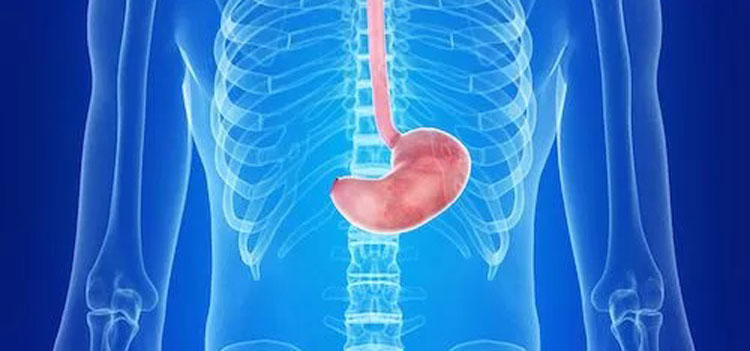
Oesophageal cancer
Oesophageal cancer generally originates in the lining of the oesophagus, but it can develop anywhere along the oesophagus. Oesophagus is a long, hollow tube like structure that runs from the throat to the stomach.
What are the Symptoms?
As the cancer progresses to advanced stages, the patient might experience the following symptoms:
- Heartburn
- Unintentional Weight loss
- Chest Pain
- Pain when swallowing
- Hiccups
- Chronic Cough
- Acid reflux or back flow of food into the oesophagus
What are the causes?
Research indicates that oesophageal cancer may be linked to abnormal gene mutations in the DNA of the cells related to Oesophagus. The mutations cause multiplication of these cells more rapidly than the normal cells.
What are the risk factors?
Following are some of the factors that increase your risk of Oesophageal cancer
- Excessive Alcohol consumption
- Smoking
- Being Overweight
- Not eating enough fruits & vegetables
- Certain Medical Conditions:
- Barrett’s Oesophagus
- Gastroesophageal Reflux Disease
- Achalasia
Also, research indicates that men are three times more likely to develop oesophageal cancer. Individuals above 45 years of age are more likely to develop this cancer.
How is it Diagnosed?
- Endoscopy
- Barium Swallow Test
- Biopsy
- CT Scan
- PET Scan
- MRI
How is Coeliac Disease Treated?
Surgical Intervention may be good option if the cancer has not spread to other parts of the body. Chemotherapy & Radiation Therapy can be the right course of action in other cases.
If the tumor is small & has not spread, the tumor can be removed through minimally invasive approach or through open surgery. However, there are certain risks with surgery and these include disorders of the stomach, lung complications, heartburn, difficulty swallowing & infection.
Chemotherapy involves use of medications to destroy cancer cells. It may be used prior to the surgery or after the surgery. Chemotherapy too has certain side effects such as hair loss, vomiting, pain & fatigue.
Radiation Therapy uses high frequency beams of radiation to destroy cancer cells. Radiation therapy may be internal or external. Side effects include painful ulcers in the oesophagus, fatigue or pain while swallowing.
Other treatment options include implanting a stent or using photodynamic therapy.
How is it prevented?
Simple lifestyle changes can help you cut down your risk of developing oesophageal cancer.
- Quit Tobacco & all related products: If you a smoker, speak to your doctor about strategies or treatments that can help you quit
- Limit consumption of alcohol to one drink a day or less
- Consume more vegetables & fruits: Add more colour & variety to your diet by including a lot of green vegetables and fruits
- aintain a healthy weight: Lose weight if you are overweight. Focus on losing weight in a slow & steady manner with half to one kilo a week
FAQs
Oesophageal cancer is a type of cancer that develops in the food pipe (oesophagus), which connects the throat to the stomach. It usually starts in the inner lining and can grow over time. Early detection is important for better outcomes.
Early symptoms may include difficulty swallowing, chest discomfort, and unexplained weight loss. Some people may also notice persistent indigestion or food getting stuck while swallowing. Symptoms often progress gradually.
You should consult a doctor if swallowing becomes difficult, painful, or progressively worse. Persistent symptoms like weight loss or regurgitation need prompt evaluation. Early diagnosis improves treatment options.
It is usually diagnosed through tests such as endoscopy and biopsy. Imaging scans may also be used to assess the extent of the condition. Diagnosis depends on symptoms and clinical findings.
Treatment depends on the stage and may include surgery, medications, or other therapies. Early-stage cases generally have better outcomes. A personalized treatment plan is created based on patient condition.
Risk factors may include long-term acid reflux, smoking, alcohol use, and certain dietary habits. Not everyone with these factors develops cancer, but awareness helps in early screening and prevention.



