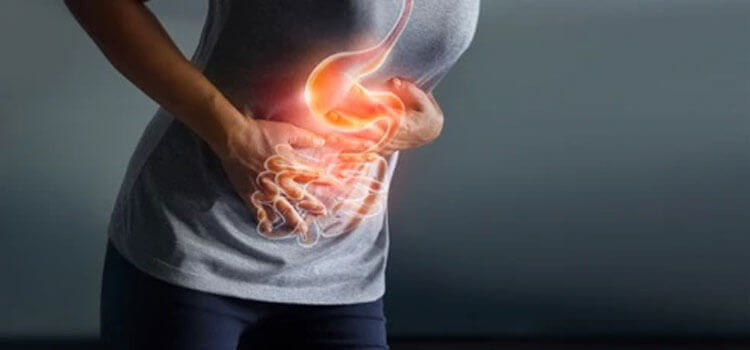
Gastritis
Gastritis is an inflammation of the stomach’s lining. It’s a common gastro condition resulting from a wide range of causes. There are two types of gastritis: Acute Gastritis, in which the inflammation is sudden & severe; & Chronic Gastritis, which involves long term inflammation that can last for years if untreated.
Gastritis may also be classified as Erosive Gastritis (wears out the stomach lining) & Non Erosive Gastritis (changes the lining of the stomach).
WWhat causes Gastritis?
Weakness or injury to mucus-lined barrier in the stomach leads to damage & inflammation of the lining of the stomach cavity.
Other common causes include:
- H. Pylori: Helicobacter pylori is a bacteria which develops in the mucous lining of the stomach. If left untreated, it can cause ulcers and in rare cases, may also cause stomach cancer
- Bile reflux: A reverse flow of bile back into the stomach can lead to irritation & gastritis
- Infections caused by bacteria & viruses
What are the risk factors?
Certain diseases & medical conditions such as Crohn’s disease tend to increase your risk of gastritis. Other risk factors for gastritis are:
- Regular use of pain killers
- Older age
- Severe Stress due to major surgery, injury or burns
- Excessive consumption of alcohol
What are its Symptoms ?
Pain is one of the most commonly experienced symptom and is often felt in the upper left or upper centre part of the stomach. Other common symptoms include:
- Nausea
- Bloating of the stomach
- Indigestion
- Vomiting
- Hiccups
- Loss of Appetite
- Burning sensation in the stomach
Vomiting blood, shortness of breath, severe stomach pain, bloody stools indicate a more severe form of gastritis and the patient must seek immediate medical help if he or she experiences any such symptoms.
Know the Potential Complications
If untreated, gastritis can lead to bleeding in the stomach & ulcers. Certain forms of gastritis may increase risk of stomach cancer in people with thinned stomach linings.
Get the Right Diagnosis for Gastritis
After a review of the patient’s personal & family history, the doctor would perform a thorough physical examination & may recommend the following tests:
- Upper Endoscopy
- Blood Tests to check your red blood count & screen for H pylori infection
- Stool Test to check for presence of blood in bowel movements
What foods can relieve symptoms of gastritis?
Right kind of foods can help the body manage the symptoms of gastritis & also get rid of H.pylori bacteria. Although dietary choices alone are unlikely to cure gastritis, they are key part of treating gastritis.
Foods to Eat:
- Apples
- Berries
- Honey
- Olive Oil
- Broccoli
- Probiotic Yoghurt
Foods to Avoid:
- Coffee
- Green & Black Teas
- Orange Juice
- Spicy foods
- Alcoholic Beverages
- Dairy products
- Chocolate
Dietary Tips for Gastritis:
- Eat 5-6 small meals per day
- Drink a lot of water
- Add omega-3 supplements to the diet
What are the treatment options?
Treatment for gastritis depends on various factors such as the underlying cause of the condition & whether it is acute or chronic.
Some of the treatment options include
- Antibiotic Medications
- Antacids
- Proton Pump Inhibitors
- Anti Nausea Medications
Success of a treatment depends on whether or the cause is identified rightly. For instance, antibiotics would be of no use unless the underlying cause of gastritis is bacterial. A combination of right medications & dietary changes is the best way of treating gastritis.
FAQs
Gastritis is inflammation of the stomach lining. It can be caused by infections, prolonged use of certain medications, alcohol, or irregular eating habits. The severity can vary from mild irritation to more serious conditions.
Common symptoms include upper abdominal pain, nausea, bloating, and a feeling of fullness after eating. Some people may also experience vomiting or loss of appetite. Symptoms can be mild or persistent depending on the cause.
You should consult a doctor if symptoms last for several days, worsen over time, or do not improve with basic treatment. Persistent discomfort or vomiting needs proper evaluation. Early care helps prevent complications.
Gastritis is diagnosed through clinical evaluation and may include tests like endoscopy if required. These tests help identify inflammation and its cause. Diagnosis depends on symptoms and medical history.
Yes, most cases can be treated effectively with medications and lifestyle changes. Avoiding irritants like spicy food, alcohol, and irregular meals helps in recovery. Treatment depends on the underlying cause.
Yes, gastritis is often linked to acid-related conditions and infections like H. pylori. These factors can irritate the stomach lining and cause inflammation. Proper diagnosis helps in treating the root cause.



