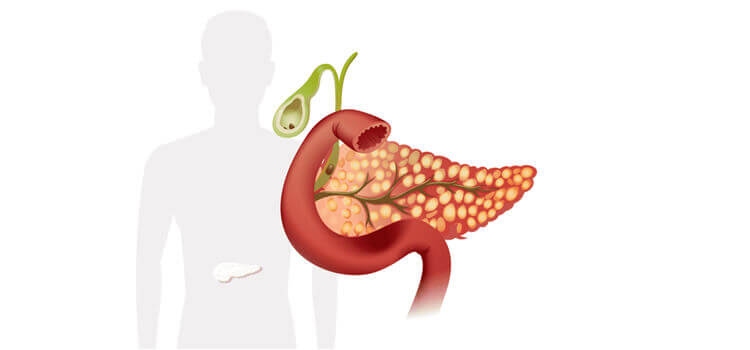
ACUTE PANCREATITIS
Acute Pancreatitis is a condition in which inflammation in the pancreas develops quickly & subsides generally within a few days or weeks.
What are the Causes?
The most common cause of acute pancreatitis is gallstones noticed in nearly 40% of the patients. There are several other causes include:
- Excessive Alcohol Consumption
- High Triglyceride Levels in Blood
- High Calcium levels in the blood
- Certain Medications
- Infections
- Autoimmune disorders
- Surgery
- Trauma
In certain cases of acute pancreatitis, the cause remains unknown.
What are the symptoms?
Pain in patients with acute pancreatitis is very mild initially but worsens quickly. It is constant, severe & can last for days in patients, if left untreated. Generally, patients with this disease look & feel very sick and need immediate medical help. In most cases, patient needs to be admitted to the hospital for at least 5 days.
Some of the common signs & symptoms of acute pancreatitis are
- Pain in the upper part of the abdomen
- Pain in the back
- Pain in the abdomen that tends to worsen after meals
- Mild Fever
- Nausea & Vomiting
- Tenderness in the abdomen
How is it diagnosed?
To rightly diagnose acute pancreatitis, your doctor would need to understand your medical history, perform a physical examination and analyse your blood test results.
Following are some of the test that may be required to diagnose acute pancreatitis:
- Blood Tests to check for amylase & lipase levels
- Pancreatic Function Test
- Ultrasound
- CT Scan
- MRI
- ERCP
- Biopsy
How is it Treated?
Treatment for acute pancreatitis may include:
- Antibiotics
- Administering fluids intravenously to prevent dehydration
- Pain Medications
- Special Liquid Diet to ensure the patient get all the nutrients he or she needs
The underlying cause has to be addressed once the pain situation is under control. The following are some of the treatment methods that can help:
- ERCP or Endoscopic Retrograde Cholangiopancreatography is performed to remove gallstones if they are blocking the pancreatic or bile ducts
- Gallbladder Removal Surgery is generally performed within two weeks of confirming the diagnosis
- Pancreatic Surgery to remove the fluids or dead tissue
What are the Preventive Measures?
Acute Pancreatitis is generally caused by either gallbladder stones or excessive alcohol consumption. Simple lifestyle modifications can significantly cut down your chances of developing the condition.
- Eat a healthy & balanced diet
- Maintain a healthy weight
- Exercise regularly
- Cut back on drinking alcohol
FAQs
Acute pancreatitis is a sudden inflammation of the pancreas that can cause severe abdominal pain. It is commonly caused by gallstones or alcohol use, but infections and certain medications can also trigger it.
The most common symptom is sudden, severe upper abdominal pain that may radiate to the back. Other signs include nausea, vomiting, fever, and abdominal tenderness.
You should seek immediate medical care in Hyderabad if you have intense abdominal pain, persistent vomiting, or fever. Acute pancreatitis can become serious and requires prompt evaluation.
Diagnosis involves blood tests and imaging to assess inflammation and identify the cause. Treatment usually includes hospitalization, pain management, fluids, and addressing the underlying cause.
Yes, most cases are managed with supportive care such as fluids, rest, and medications. Surgery or procedures are only needed if complications like gallstones or infections are present.
Preventive steps include managing gallstones, avoiding excessive alcohol intake, and maintaining a healthy lifestyle. Regular medical follow-up helps reduce the risk of recurrence.



