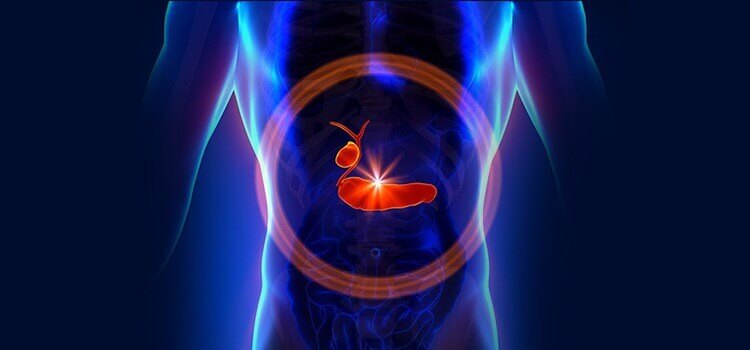
AUTOIMMUNE PANCREATITIS
Autoimmune Pancreatitis is a rare disease in which the body’s immune system attacks the pancreas. It is a newly recognised medical condition & tends to be misdiagnosed as pancreatic cancer due to the high similarity in their signs & symptoms.
Autoimmune pancreatitis is generally found in
There are two types of autoimmune pancreatitis - Type 1 & Type 2.
Type 1 Autoimmune Pancreatitis, also known as IgG4-related pancreatitis, is a medical disorder that affects multiple organs such as pancreas, bile ducts, salivary glands, kidneys & lymph nodes.
Type 2 Autoimmune Pancreatitis, also known as Idiopathic duct-centric pancreatitis, tends to affect only the pancreas.
What are the symptoms?
Autoimmune pancreatitis is a difficult condition to diagnose as firstly it does not cause any signs or symptoms and if it does, they are very similar to pancreatic cancer.
- Pale Stools
- Dark Urine
- Jaundice
- Nausea & Vomiting
- Weakness & fatigue
- Loss of Appetite
- Unintentional weight loss
The most common symptom of autoimmune pancreatitis is Jaundice and is found is almost 80% of the cases.
What are the risk factors?
For Type 1 Autoimmune pancreatitis, a person would be at risk if:
- Age is over 60
- Is a Male
- Ager is over 40
- He or She has Inflammatory Bowel Disease such as Ulcerative colitis
For Type 2 Autoimmune pancreatitis, a person would be at risk if
What are the complications?
Untreated Autoimmune Pancreatitis can lead to the following complications:
- It can reduce the ability of the pancreas to make sufficient enzymes. This condition is known as Pancreatic insufficiency
- As pancreas is the organ that produces insulin, damage to it can lead to diabetes.
- Stones in Pancreas or Pancreatic Calcification
How is it Diagnosed?
- Blood tests to detect for high or abnormal levels of Serum IgG4, which is a symptom of Autoimmune Pancreatitis
- Imaging Tests:
- Endoscopic Ultrasound (EUS)
- Endoscopic Retrograde Cholangiopancreatograph (ERCP)
- Computed Axial Tomography Scan (CAT)
- Endoscopic Biopsy
How is it Treated?
In some patients, Autoimmune Pancreatitis may not require any treatment. In others, one of the following treatment methods may be necessary.
Surgical Intervention:- Corticosteroids - Most patients respond to a short course of corticosteroids and get better. However, there is a chance of relapse once the steroids are stopped.
- Biliary Stenting - Prior to starting medications, sometimes the doctor may need to drain the biliary ducts by inserting a tube. This is usually done in patients with symptoms of obstructive jaundice.
- Immunosuppressants & Immunosuppressants: To cut down the serious side effects that maybe resulting from use of steroids, doctors often suggest immunosuppressants.
FAQs
Autoimmune pancreatitis is a form of pancreatic inflammation caused by the immune system attacking the pancreas. Unlike other types, it often responds well to medical therapy rather than requiring surgical treatment.
Symptoms may include abdominal discomfort, jaundice, weight loss, and fatigue. Some patients may have mild or no symptoms in the early stages.
You should consult a gastroenterologist in Hyderabad if you notice jaundice, unexplained weight loss, or persistent abdominal pain. Early diagnosis helps differentiate this condition from other pancreatic diseases.
Diagnosis usually involves blood tests, imaging scans, and sometimes biopsy. Doctors also assess response to treatment to confirm the condition.
Treatment typically involves medications that reduce inflammation, such as steroids. Most patients respond well, and symptoms improve significantly with proper medical care.
Yes, with regular monitoring and treatment, most patients can manage the condition effectively. Follow-up care is important to prevent recurrence or complications.



