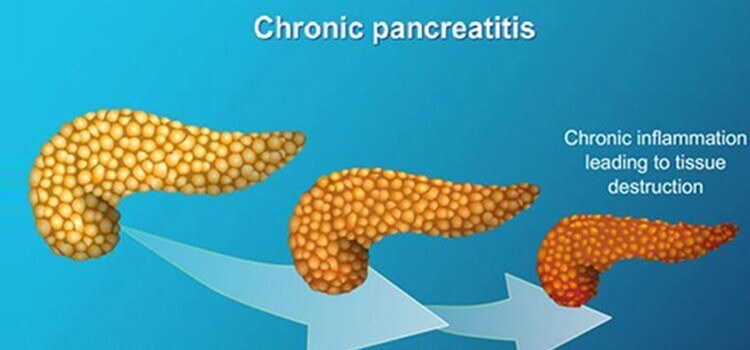
CHRONIC PANCREATITIS
Pancreatitis is the inflammation of the pancreas. Chronic Pancreatitis is a form of pancreatitis that gets worse over a period of time leading to permanent damage to the structure & functioning of pancreas.
The role pancreas is to produce enzymes & hormones that process & digest foods. It also plays a crucial role moderating sugar levels in the blood. Chronic Pancreatitis is more common in the age group of 30 to 40 and is more often found in men than women.
What are the symptoms?
In the initial phase of the disease, the patient may not have any symptoms.
- Severe pain in the upper part of the abdomen
- Diarrhea
- Nausea & Vomiting
- Shortness of breath
- Unexplained weight loss
- Excessive thirst & fatigue
- Pancreatic fluids in the stomach
- Jaundice
- Internal Bleeding
- Intestinal Blockage
As the disease progresses, symptoms may become more severe & may include:
What are the Causes?
There are many causes of Chronic Pancreatitis, the most common one being excessive alcohol consumption. Chronic Pancreatitis may also be caused by certain medical conditions which include:
- Autoimmune diseases
- Genetic Factors
- High levels of calcium in the blood
- High levels of triglycerides
- Pancreatic stones or gallstones
How is it diagnosed?
Diagnosis of Chronic Pancreatitis depends upon the symptoms of the patient along with test results:
- Blood tests to check for levels of pancreatic enzymes
- CT Scan, MRI or Ultrasound Scan to detect inflammation of the pancreas
- ERCP - Endoscopic Retrograde Cholangiopancreatography to identify blockages & damage to the ducts.
- MRCP - Magnetic Resonance Cholangiopancreatography to evaluate the ducts.
How is it Treated?
Patients with Chronic Pancreatitis may need lifestyle changes such as completely stopping consumption of alcohol & tobacco. Although tobacco is not a cause of pancreatitis, it can speed up disease progression.
Surgical Intervention:- Endoscopic Surgery : A device with tiny deflated balloon is inserted through an endoscope and once it reaches the duct, the balloon is inflated to widen the duct. To prevent the duct from narrowing back, a stent is placed.
- Pancreatic Resection : This is a procedure in which the head of the pancreas is surgically removed to relieve the pain caused by inflammation.
- Total Pancreatectomy : This procedure involves surgical removal of the entire pancreas. This is an effective solution for dealing with the pain. However, the patient will have to be dependant on treatment for release of insulin etc.
What are the complications?
Chronic Pancreatitis can cause serious complications such as:
- Psychological Problems such as anxiety, irritability, stress & depression
- Pseudocyst is a collection of debris, fluid, tissue & pancreatic enzymes from the leakage of digestive fluids released from a faulty pancreatic duct.
- Diabetes: About 45% of people with chronic pancreatitis tend to get diabetes.
- Pancreatic Cancer
FAQs
Chronic pancreatitis is a long-term inflammation of the pancreas that gradually damages its function. Unlike acute pancreatitis, which is sudden, chronic pancreatitis develops over time and can lead to permanent changes.
Symptoms often include persistent abdominal pain, weight loss, and digestive problems. Some patients may also develop diabetes due to reduced pancreatic function.
You should consult a gastroenterologist in Hyderabad if you have ongoing abdominal pain, unexplained weight loss, or difficulty digesting food. Early evaluation helps prevent complications.
Common causes include long-term alcohol use, genetic factors, and repeated episodes of acute pancreatitis. In some cases, the exact cause may not be clearly identified.
Diagnosis involves imaging tests and blood work to assess pancreatic damage. Treatment focuses on pain management, enzyme supplements, dietary changes, and addressing the underlying cause.
Yes, while it cannot always be reversed, symptoms can be managed with proper treatment and lifestyle changes. Regular monitoring helps maintain quality of life and prevent complications.



