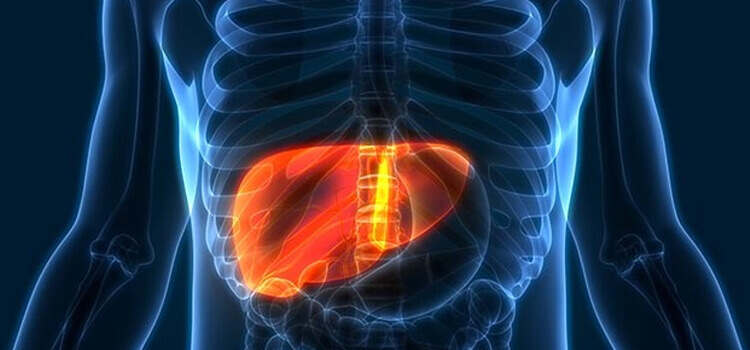
HEPATITIS D
Hepatitis D is a liver condition that is caused by hepatitis D virus and causes inflammation of the liver. The inflammation can impair its functions & lead to long term complications such as liver scarring & cancer.
Hepatitis D virus is one of the forms of Hepatitis. Other forms are Hepatitis A, Hepatitis B, Hepatitis C & Hepatitis E. Unlike the other types of hepatitis, Hep D can only occur in those who are already infected with Hep B.
Hepatitis D currently has no vaccine or cure, but it can be prevented in individuals who are not already infected with Hepatitis B.
Hepatitis D can be classified as acute or chronic. In acute Hep D, the symptoms appear quickly & are generally severe. However, the infection can disappear by itself. When the infection lasts for 6 months or more, it becomes Chronic Hepatitis D. The chances of developing cirrhosis are higher in chronic hepatitis D.
What are the Symptoms?
Hepatitis D may not always present any symptoms. In some cases, patients may experience:
- Jaundice
- Joint Pain
- Pain in the stomach
- Vomiting
- Loss of appetite
- Tiredness
How does Hepatitis D spread?
Hepatitis D is spread by Hepatitis D virus (HDV). It is highly contagious & can spread through:
- Urine
- Vaginal Fluids
- Semen
- Blood
- Birth
Research indicates that a person infected with Hepatitis D can spread it to others even without having any symptoms.
What are the risk factors of Hepatitis D?
A person is at a greater risk of being infected by Hepatitis D if
- He or she has Hepatitis B
- He has sex with other men
- He or she often receives Blood Transfusions
- Uses intravenous drugs
How is Hepatitis D diagnosed?
The doctor may recommend a blood test to detect anti-hepatitis D antibodies in your blood. If antibodies are present, it means the patient is exposed to Hepatitis D Virus.
A liver function test may also pre required, if the doctor suspects you have liver damage. This test assesses the liver health by measuring protein levels, liver enzymes & bilirubin in your blood.
How is Hepatitis D treated?
There is no treatment for acute or chronic Hepatitis D. The antiviral medications used for other forms of Hepatitis are not quite effective in treating Hepatitis D Virus.
There is a type of protein that stops the virus from spreading, known as Interferon. This is generally recommended for upto 12 months. However, even after treatment the chances of Hepatitis D virus still being positive are high.
Hence, it is crucial to take precautionary measures to prevent transmission of the infection.
Can it be prevented?
The best way to prevent Hepatitis D is to precent getting infected by Hepatitis B. Some of the precautionary steps to prevent Hepatitis B are:
- Get Vaccinated
- Practice safe sex
- Avoid use of recreational drugs
- Be cautious about tattoos & piercings
FAQs
Hepatitis D is a viral liver infection that only occurs in people who already have Hepatitis B. It depends on the Hepatitis B virus to survive and can make liver disease more severe. Understanding this link is important for proper management.
Hepatitis D spreads through contact with infected blood or body fluids, similar to Hepatitis B. It can occur through unsafe injections, blood exposure, or from mother to child. Preventing Hepatitis B also reduces the risk of Hepatitis D.
Symptoms may include fatigue, abdominal pain, jaundice, dark urine, and loss of appetite. In some cases, symptoms can be more severe due to the combined effect with Hepatitis B. Early evaluation is important.
Testing is recommended if you have Hepatitis B and experience worsening symptoms or liver issues. Early diagnosis helps manage the condition and prevent complications. A doctor can guide appropriate testing.
Hepatitis D is diagnosed through blood tests that detect the virus along with Hepatitis B markers. These tests help confirm infection and assess liver function. Evaluation depends on symptoms and medical history.
Management focuses on controlling the infection and monitoring liver health. Preventing Hepatitis B through vaccination is the most effective way to prevent Hepatitis D. Early care helps reduce complications.



