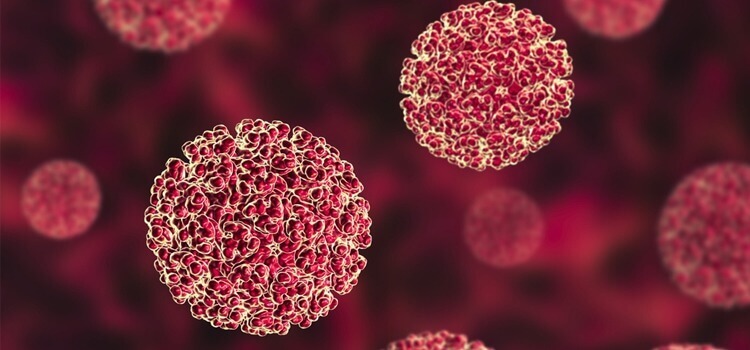
HEPATITIS B
Hepatitis B is an infection of the liver caused by Hepatitis B virus (HBV). It gets transmitted through bodily fluids such as blood, semen or vaginal secretions.
Hepatitis B may be acute or chronic. In acute Hepatitis B symptoms are quick to appear while in chronic hepatitis B symptoms may not be noticeable unless complications occur.
Chronic Hepatitis B increases risk of developing liver failure, liver cirrhosis or in some cases liver cancer. Although there is no cure for Hepatitis B, a vaccine to prevent it is available.
What are the Symptoms?
In most cases, symptoms may not present until one to four months of having the virus.
- Fatigue
- Pain in the abdomen
- Jaundice
- Loss of Appetite
- Vomiting & Nausea
- Fever
- Joint & muscle pain
Is hepatitis B contagious?
Hepatitis B is highly contagious & spreads through contact with infected blood or other fluids of the body. It, however, does not spread through sneezing, coughing or breastfeeding.
Some of the ways in which it gets transmitted are:
- Direct contact with infected blood
- Mother to baby during birth
- Getting pricked with a contaminated needle
- Intimacy with a person with HBV
- Oral, Vaginal & anal sex
- Using a razor or other personal items of the person infected.
What are the risk Factors?
A person is at an increased risk of getting Hepatitis A if he/she:
- Lives with a person who has Hepatitis A
- Has any type of sexual contact with someone who has hepatitis A
- Is HIV positive
- Uses any kind of illegal drugs
What are the risk factors?
People with certain medical conditions are at higher risk than others. Some of the risk factors of Hepatitis B are:
- Chronic Liver Disease
- Kidney Disease
- Diabetic patients above 60 years of age
- Those with multiple sex partners
- Those who use IV drugs
How is It Diagnosed?
As part of screening for Hepatitis B virus, your doctor may recommend a series of blood tests including:
- Hepatitis B Surface Antigen Test
- Hepatitis B Core Antigen Test
- Hepatitis B Surface Antibody Test
- Liver Function Test
How is it treated?
If you think that you’ve come in contact with the Hepatitis B virus , visit a doctor immediately. Your doctor would recommend a Hepatitis B vaccination & Hepatitis B immunoglobin (HBIG). This boosts your immune system & can help you fight off the infection.
In case of chronic hepatitis, you may be prescribed certain medications
What are the complications?
Chronic Hepatitis B can lead to serious consequences including:
- Cirrhosis
- Liver Cancer
- Liver Failure
- Kidney Disease
- Blood Vessel Problems
What are the complications?
Following are some of the precautions that can help prevent Hepatitis B infection from spreading:
- Get Vaccinated
- Use protection when involving in sexual activity
- Cover all open cuts or wounds
- Never share razors, toothbrushes, nail care tools or pierced earrings
- Be cautious about body piercing & tattooing
FAQs
Hepatitis B is a viral infection that affects the liver and spreads through contact with infected blood or body fluids. It can be transmitted through unsafe injections, blood transfusions, or from mother to child. Awareness and prevention are important.
Many people may not notice symptoms initially. When present, symptoms can include fatigue, abdominal discomfort, jaundice, dark urine, and loss of appetite. Symptoms may vary depending on the stage of infection.
You should consider testing if you have risk factors, exposure, or symptoms like jaundice or persistent fatigue. Early testing helps in timely management and reduces the risk of complications.
Hepatitis B is diagnosed through blood tests that detect the virus and evaluate liver function. These tests help determine the stage and guide further management.
Yes, Hepatitis B can be managed with regular monitoring and medical care. Treatment depends on the stage and severity. Early detection helps in better long-term outcomes.
Prevention includes vaccination, safe medical practices, and avoiding exposure to infected blood or body fluids. Vaccination is one of the most effective ways to reduce risk.



