PRIMARY BILIARAY CIRRHOSIS WEIGHT LOSS
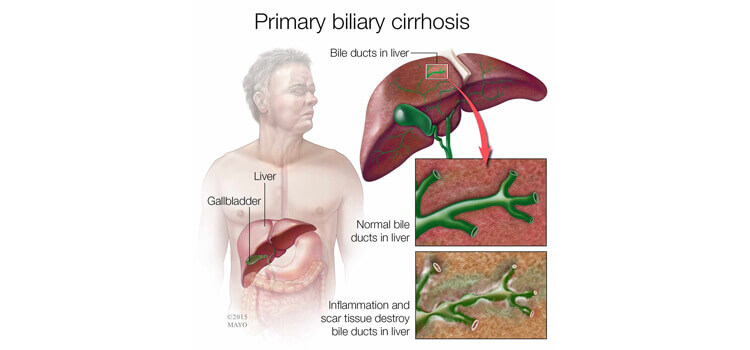
Primary biliary cirrhosis also known as primary biliary cholangitis is a chronic condition involving gradual damage to the intrahepatic bile ducts i.e bile ducts in the liver. With the build up of bile in the liver, severe inflammation & scarring occurs, leading to cirrhosis or eventually liver failure
What are the Symptoms?
In almost 50% of the cases, the symptoms are not noticeable initially. The disease gets diagnosed when the patients gets blood tests done for other reasons. Symptoms may develop over a long period of 5 - 15 years.
Common Symptoms include:
- Tiredness
- Itchiness
- Dry eyes & mouth
- Pain in the abdomen
- Bone of Joint pains
- Swelling in feet & ankles
- Buildup of fluid in the abdomen
- Jaundice
- High Cholesterol levels
- Hyperpigmentation
- Hypothyroidism
- Weight loss
What are the risk factors?
Some of the factors that increase your chances of getting primary biliary cirrhosis are:
- Age: People in the age group of 30 to 60 years are at a higher risk
- Gender: Primary biliary cirrhosis is more common in women
- Genes: A person is more likely to be diagnosed with this disease if he or she has a family history
- Bacterial, fungal or parasitic infections
- Smoking
- Exposure to toxins & chemicals
What are the complications?
Primary biliary cirrhosis can lead to serious problems such as:
- Gallstones & Bile Duct Stones: If bile doesn’t flow through bile ducts, it can lead to formation of stones in gall bladder & bile duct
- Portal Hypertension: Increased pressure in the vein, known as portal vein, that carries blood from intestine, spleen & pancreas to the liver
- Enlarged veins: Increased pressure in portal vein can cause the delicate veins to break open & bleed.
- Weaker Bones: Patients with primary biliary cirrhosis are at a higher risk of osteoporosis
- Vitamin Deficiencies: This disease can cause deficiencies of vitamin A,D, E & K
- Hepatic Encephalopathy: In certain cases, patients may experience personality changes & problems with focus & memory.
How is it diagnosed?
As primary biliary cirrhosis does not reveal any symptoms in its early stages as such its diagnosis is difficult. Certain tests that can help in diagnosis are:
- Blood tests
- Ultrasound
- CT Scan
- MRI Scan
- Magnetic Resonance Cholangiopancreatography
- Endoscopic Retrograde Cholangiopancreatography
- Liver Biopsy
How is it treated?
There is no known cure for primary biliary cirrhosis. However, certain medications can help slow down disease progression & cut down risk of complications.
In cases where medications are unable to control this disease leading to liver failure, liver transplant surgery can help increase lifespan. The outcomes of liver transplant for patients with primary biliary cirrhosis are very good. However, in some cases the disease may recur several years later in the transplanted liver.
FAQs
Primary biliary cirrhosis (now called primary biliary cholangitis) is a chronic condition where small bile ducts in the liver are gradually damaged. This leads to bile buildup, causing inflammation and long-term liver damage.
Weight loss can occur due to poor bile flow affecting digestion and nutrient absorption. Over time, reduced appetite and fatigue may also contribute to gradual, unintended weight loss.
Early symptoms include fatigue and itching, while later stages may involve jaundice, dry eyes, and weight loss. Some patients may have minimal symptoms in the initial stages.
You should consult a gastroenterologist in Hyderabad if you notice persistent fatigue, itching, jaundice, or unexplained weight loss. Early diagnosis helps manage progression and prevent complications.
Diagnosis involves blood tests to check liver function and specific markers, along with imaging if needed. Treatment focuses on slowing disease progression, managing symptoms, and improving liver function.
Yes, with early diagnosis and regular monitoring, many patients can manage the condition effectively. Treatment and lifestyle adjustments help control symptoms and maintain quality of life.



