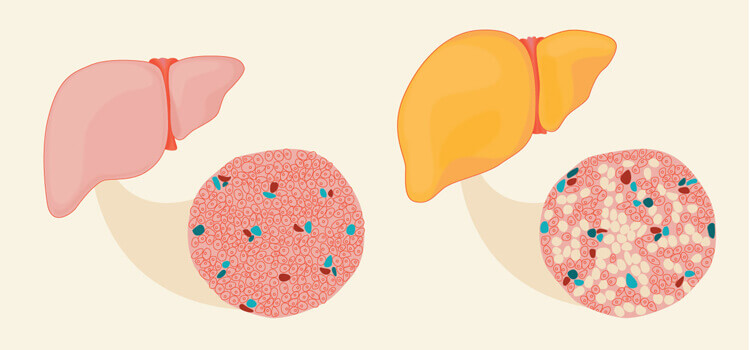
FATTY LIVER
Fatty liver, medically known as Hepatic Steatosis, is a condition in which excessive fat builds up in the liver cells. A little fat in the liver is normal, but when fat accounts for more than 5-10% of the liver, it is a sign of fatty liver disease.
Excessive consumption of alcohol is one of the most common causes of this disease. However, one can get fatty liver even if one does not drink a lot of alcohol.
There are two main types of Fatty Liver Disease:
- Nonalcoholic Fatty Liver Disease
- Alcoholic Fatty Liver Disease or Alcoholic Steatohepatitis
Nonalcoholic Fatty Liver Disease (NAFLD)
Non alcoholic Fatty Liver Disease is further classified into Simple fatty liver & Nonalcoholic steatohepatitis.
Simple Fatty Liver: This is a condition in which there is fat in the liver but the patient does not have any liver damage or inflammation. Generally simple fatty liver does not cause any complications with the liver.
Nonalcoholic Steatohepatitis (NASH): Being diagnosed with NASH implies that the patient has inflammation in the liver. NASH can cause serious complications such as fibrosis & cirrhosis. Research indicates that about 20% of patients with Non-alcoholic fatty liver disease have NASH.
Alcoholic Fatty Liver Disease (ALD)
Alcoholic fatty liver disease indicates first stage of liver damage. Excessive consumption of alcohol leads to damage of liver cells and reduces the ability of the liver to process toxins, including fats. If the fats are not broken down by the liver, the cells tend to get collected in the blood & around the liver.
If left untreated, alcoholic fatty liver disease can cause serious complications such as cirrhosis, alcoholic hepatitis & eventual liver failure.
Causes of Fatty Liver
There are many factors that lead to Fatty Liver Disease :
- Obesity
- Excess belly fat
- Insulin resistance & high insulin levels
- Excessive consumption of refined carbs
- Consumption of sugar sweetened beverage
- Imbalance in gut
Symptoms of Fatty Liver
In most cases, there may not be any signs of fatty liver disease at all. In others, fatigue & pain in the upper right side of the liver may be present. Other common symptoms include:
- Swollen tummy
- Enlarged blood vessels beneath the skin
- Loss of Appetite
- Skin & eyes that turn yellow (jaundice)
Risk Factors of Fatty Liver
- Genes
- Older Age
- Obesity
- High levels of triglycerides
- Hypothyroidism
- Certain Metabolic disorders
- Hepatitis C or other infections
- Certain Medications
- Exposure to certain chemicals or toxins
- Rapid weight loss
What are the possible Complications?
- Fluid build up in the stomach
- Drowsiness & confusion
- Liver Cancer
- Liver Failure
Can it be prevented?
Alcoholic Fatty Liver Disease can be prevented with simple measures such as:
- Consume alcohol in moderation
- Protect yourself from Hepatitis C
- If you on prescription medications, check with your doctor if its ok to consume alcohol with them.
How is it treated?
Generally, the treatment for fatty liver involves more of lifestyle modifications than medications.
- Avoid Alcohol: If you have been diagnosed with fatty liver disease, it is best to completely avoid alcohol as it can lead to serious complications.
- Weight Loss : Research indicates that weight loss of about 5% of body weight can help improve liver condition by reducing the fat in the liver. Weight of 7-10% of total body weight may even decrease the inflammation & injury caused to the liver cells.
- Have an Exercise routine: Aerobics along with some resistance training exercises can significantly cut down inflammation. Aim for a good 30 to 60 minute workout for five days a week
- Manage your diabetes: Monitor the diabetes regularly and ensure you take your medications as prescribed.
- Lower your Cholesterol levels: Keeping your triglycerides at healthy levels can definitely help improve your liver condition.
- Eat Right:
Following are some of the foods that should be included in your diet.
- Olive Oil
- Vegetables
- Whole grains
- Nuts
- Fruits
- Fish
Foods to Avoid:
- Poultry
- Yoghurt
- Red Meat
- Baked or fried foods
- Sugary products
FAQs
Fatty liver is a condition where excess fat builds up in the liver. It can develop due to lifestyle factors, metabolic conditions, or alcohol use. In many cases, it may not show symptoms initially.
Fatty liver often has no noticeable symptoms in early stages. Some people may experience fatigue, mild abdominal discomfort, or a feeling of heaviness. Symptoms usually appear as the condition progresses.
You should seek medical advice if you have risk factors or persistent symptoms like fatigue or abdominal discomfort. Routine check-ups can help detect it early. Early management helps prevent complications.
Diagnosis is usually done through blood tests and imaging studies like ultrasound. These tests help assess liver health and fat accumulation. Further evaluation may be needed based on results.
Yes, fatty liver can often be managed and even reversed with lifestyle changes. Maintaining a healthy weight, balanced diet, and regular exercise are key factors. Early intervention improves outcomes.
Yes, it is often associated with conditions like obesity, diabetes, and metabolic issues. It may also be linked to other liver-related problems. Managing overall health helps reduce risk.



