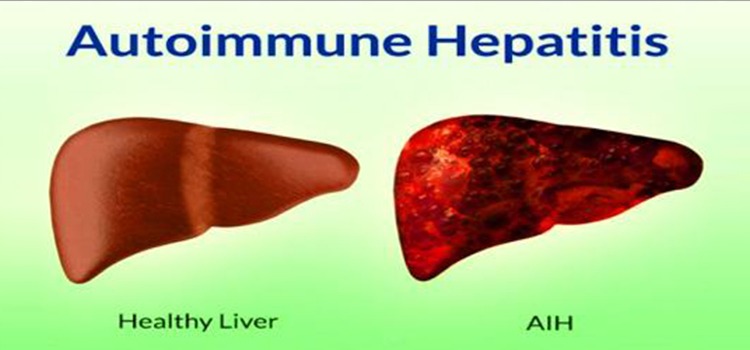
AUTOIMMUNE HEPATITIS
Autoimmune Hepatitis is a medical disorder in which the patient’s own immune system attacks the liver & causes inflammation. There is not enough clarity in the scientific community on why this disease occurs, but the interaction of genetic & environmental factors seems to trigger it.
If left untreated, autoimmune hepatitis can lead to liver cirrhosis and consequently liver failure. Early diagnosis is key and can be lifesaving with the right treatment.
What are the Symptoms of Autoimmune Hepatitis?
Symptoms differ from one person to another. Some of the common signs include:
- Tiredness
- Discomfort in the abdomen
- Jaundince
- Spider Angiomas or abnormal blood vessels
- Rashes on the skin
- Joint Pains
- Loss of menstrual periods
What Causes Autoimmune Hepatitis?
The exact cause of why the body’s immune system would turn against itself remains unknown. However, research indicates that certain genetic factors and exposure to certain viruses & drugs could lead to this disease. Some other causes may include:
- Stress
- Certain Medications
What are the Risk Factors?
- Gender Although both men & women can develop this disorder, it is more common in women.
- History of certain infections such as measles, herpes simplex, Hepatitis A, B or C can increase your risk of autoimmune Hepatitis
- Genes Research suggests that autoimmune hepatitis maybe hereditary
- Presence of an Autoimmune disease such as Coeliac disease, hypothyroidism or rheumatoid arthritis can increase your changes of developing autoimmune hepatitis.
What are the complications?
Untreated autoimmune Hepatitis can lead to the following potential complications:
- Liver Failure
- Liver Cirrhosis
- Liver Cancer
- Enlarged veins in oesophagus & stomach
- Fluid Accumulation in the abdomen
- Increased blood pressure in the vein that supplies blood to the liver
How is it Diagnosed?
Autoimmune hepatitis can easily be misdiagnosed as its symptoms are very similar to those of viral hepatitis. For a right diagnosis, the doctor may order for blood tests to :
- Viral Hepatitis
- Determine the type of autoimmune hepatitis
- Check the functioning of the live
A liver biopsy may also be recommended to understand the severity & type of liver damage & inflammation
How is it treated?
Treatment options may include:
- Immunosuppressants to prevent the immune system from attacking the liver.
- Corticosteroids to treat the inflammation of the liver
- Liver Transplantation can treat autoimmune hepatitis. However, even after the transplant there is a chance of disease recurrence.
FAQs
Autoimmune hepatitis is a condition where the body’s immune system attacks liver cells, causing inflammation. If untreated, it can lead to liver damage and long-term complications.
Symptoms may include fatigue, abdominal discomfort, joint pain, and jaundice. In some cases, the condition may remain silent in early stages and be detected through routine tests.
You should consult a gastroenterologist in Hyderabad if you experience persistent fatigue, abnormal liver test results, or signs like jaundice. Early diagnosis helps control inflammation and prevent progression.
The exact cause is not fully understood, but it occurs when the immune system mistakenly attacks the liver. Genetic and environmental factors may play a role in triggering the condition.
Diagnosis involves blood tests to detect immune markers and assess liver function, along with imaging or biopsy if needed. Treatment usually includes medications to control the immune response and reduce inflammation.
Yes, with early diagnosis and proper treatment, most patients can manage the condition effectively. Regular monitoring and adherence to medical advice are important to prevent complications.



