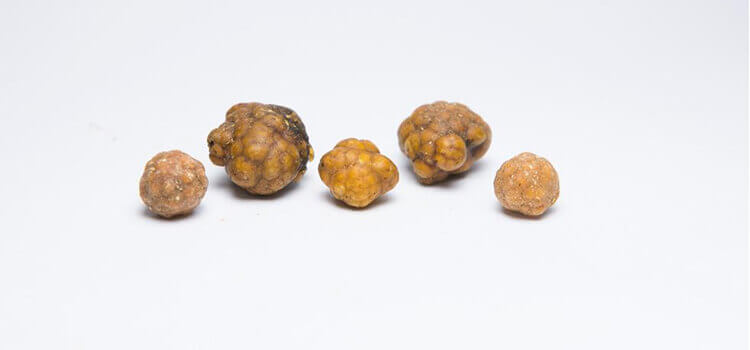
GALL STONES
Gallstones are deposits of digestive fluid that are formed in the gallbladder. The size of these gall stones can range from grain of sand to that of a golf ball. Not everyone with gallstones experiences symptoms. But those who experience symptoms generally need a gallbladder removal surgery.
What are the types of gallstones?
Gallstones are of two types:
Cholesterol Gallstones: These are composed mainly of undissolved cholesterol and appear yellow in colour.
Pigment Gallstones: These are dark brown or black coloured stones which form when the bile contains excessive bilirubin.
What are the signs and symptoms?
- Nausea or vomiting
- Clay coloured stools
- Burping
- Indigestion
- Sudden & intensifying pain in the upper right part of the abdomen
- Back pain between the shoulder blades
What causes gallstones
Although the exact cause of gallstones remains unknown, doctors think it may be a result of
- Too much cholesterol in the bile
- Too much Bilirubin in the bile
- Gall bladder not emptying correctly
Are there any risk factors?
You are more likely to get gallstones if you:
- Have a family history
- Are a woman
- Are over 40 years of age
- Are overweight
- Consume a diet rich in fat & cholesterol
- Do not exercise much
- Use birth control pills
- Are pregnant
- Lose a lot of weight in a short period of time
What are the complications?
- Inflammation of gallbladder
- Blockage of common bile duct
- Blockage of pancreatic duct
- Gallbladder cancer
How is it diagnosed?
- Abdominal ultrasound
- Endoscopic ultrasound
- CT Scan
- Magnetic Resonance Cholangiopancreatography (MRCP)
- Endoscopic Retrograde Cholangiopancreatography (ERCP)
- Hepatobiliary Iminodiacetic Acid (HIDA)
- Blood Tests
Can it be prevented?
Risk of gallstones can be reduced with simple lifestyle measures such as:
- Do not skip meals
- Aim to lose weight slowly
- Eat high fibre foods
- Maintain a healthy body weight
What are the treatment options?
Most people with no symptoms of gallstones do not require any treatment. Treatment options for those experiencing symptoms include::
- Cholecystectomy is the surgical removal of the gallbladder. Once the gallbladder is removed, bile directly flows from the liver into small intestine, instead of being stored in the gallbladder.
Medications to dissolve gallstones. However, it takes months or sometimes years for the gallstones to dissolve through medications. Also, there are chances for the gallstones to form again after the treatment is stopped.
FAQs
Gallstones are hard deposits that form in the gallbladder due to excess cholesterol or bile imbalance. They can vary in size and may not cause symptoms unless they block bile flow, leading to pain or digestive issues.
Gallstones are caused by excess cholesterol in bile, poor gallbladder emptying, or high bilirubin levels. Risk factors include obesity, rapid weight loss, diabetes, pregnancy, and a high-fat diet.
Common symptoms include severe upper abdominal pain, nausea, vomiting, bloating, and indigestion, especially after fatty meals. Some people may have silent gallstones with no symptoms.
Gallstones are usually diagnosed using an abdominal ultrasound. In some cases, doctors may recommend CT scans, MRI, or blood tests to check for complications or bile duct blockage.
The most effective treatment is laparoscopic gallbladder removal (cholecystectomy). It is a minimally invasive procedure that provides long-term relief and prevents recurrence of symptoms.
You should consult a doctor if you experience severe abdominal pain, repeated indigestion, nausea, or jaundice. Early diagnosis helps prevent complications like infection or bile duct blockage.



