CHOLANGIOCARCIONMA
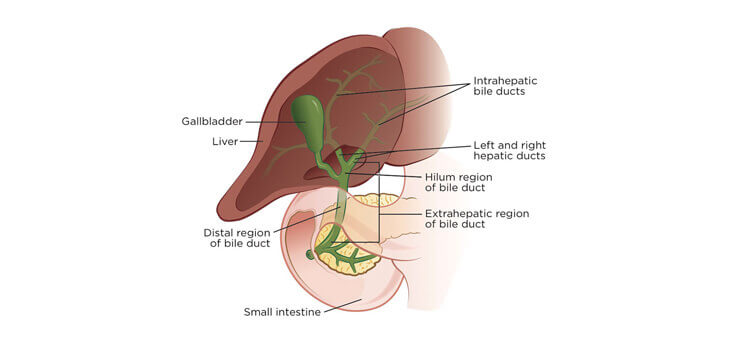
Cholangiocarcinoma, also known as Bile Duct Cancer, refers to abnormal growth of cells in the bile ducts. It is a rare form of cancer that tends to occur in older adults. Bile ducts are tubes that carry digestive juices known as the bile from the liver to the gallbladder. The bile ducts then carry the bile to stomach to help process the foods we consume.
What are the types of Bile Duct Cancer?
Based on the location of the cancer, Cholangiocarcinomas are classified into three types:
- Intrahepatic Cholangiocarcinoma In this case, the cancer occurs in bile ducts that are inside the liver.
- Hilar Cholangiocarcinoma is a type of bile duct cancer that occurs in bile ducts that are outside the liver. This is more common compared to intrahepatic bile duct cancers.
- Distal Cholangiocarcinoma is the cancer that occurs in the region where the common bile duct passes through the pancreas.
What are the Symptoms?
Symptoms of bile duct cancer may vary depending on where it occurs. Some of the common signs & symptoms include:
- Jaundice
- Intensely Itchy Skin
- Pale or white bowel movements
- Weakness
- Pain in the belly
- Pain in the back
- Fever
- Unintentional weight loss
What are the Risk Factors?
The exact cause of bile duct cancer is still not known. However, experts suggest that there are certain factors which tend to increase a person’s risk of getting bile duct cancer.
- Smoking: Research suggests that smoking and use of other tobacco products increases the likelihood of bile duct cancer
- Excessive alcohol consumption also puts you at risk of bile duct cancer
- Older age: People above the age of 50 are more susceptible to bile duct cancer
- Other Medical Conditions:
- Liver Cirrhosis
- Liver Fluke infection
- Bile Duct Stones
- Inflammatory Bowel Disease
- Diabetes
How can it be diagnosed?
The doctor will first check your health history and may perform a physical examination to check for anything unusual. The following tests may be recommended:
- Liver Function Test
- Blood Tests
- Abdominal Ultrasound
- CT Scan or MRI
- Endoscopy
- Cholangioscopy
- Magnetic Resonance Cholangiopancreatography
- Tumour Marker Test
- Laparoscopy
- Percutaneous Transhepatic Cholangiography (PTC)
- Endoscopic Retrograde Cholangiopancreatography (ERCP)
- Endoscopic Ultrasound
A biopsy may be required to obtain a sample of the tissue to diagnose cholangiocarcinoma. Biopsy procedures may involve:
How is it treated?
There are various treatment options available for patients with bile duct cancer. Standard treatment approaches are Surgical intervention, chemotherapy and radiation therapy.
Surgical Intervention:
There are various surgical procedures that are available for treating bile duct cancer. These include:
- Removal of the Bile Duct
- Partial Hepatectomy involves removal of a part of the liver
- Whipple procedure involves removal of bile duct, gallbladder, head of the pancreas, a part of the stomach and part of small intestine.
- Biliary Drainage: It involves rerouting the bile around the cancer or use of stents to hold the bile duct open. This procedure can help relieve symptoms of bile duct cancer
- Liver Transplant: Removal of damaged liver and replacing it with a healthy one from a donor
Chemotherapy:
This involves use of powerful medications to destroy the cancer cells either by killing the cells or halting them from dividing further. Chemotherapy may be either systemic or regional. In systemic chemotherapy, the drugs can reach the cancer cells in the entire body. In regional chemotherapy, a certain organ or body cavity affected by cancer is specifically targeted.
Radiation Therapy:
This therapy involves use of high energy radiation beams to kill the cancer cells. Radiation therapy may be administered internally through catheters or needles or externally through a a machine outside the body.
How can it be prevented?
There is no way of preventing bible duct cancer. However, the risk can be cut down through certain measures such as the following:
- Quit Smoking
- Drink in moderation, if at all
- Reduce your risk of liver disease
FAQs
Cholangiocarcinoma is a cancer that develops in the bile ducts, which carry bile from the liver to the intestine. It can block bile flow, leading to jaundice, itching, and digestive issues. Early detection is important for better outcomes.
Common symptoms include yellowing of the skin (jaundice), dark urine, pale stools, abdominal pain, and unexplained weight loss. These symptoms usually appear when bile flow is obstructed and should not be ignored.
You should consult a gastroenterologist in Hyderabad if you notice persistent jaundice, abdominal discomfort, or unexplained digestive changes. Early evaluation helps identify serious conditions like bile duct cancer at an earlier stage.
Diagnosis involves imaging tests such as ultrasound, CT scan, or MRI, along with blood tests and sometimes endoscopic procedures. A specialist will determine the right diagnostic approach based on symptoms and history.
Treatment depends on the stage and location of the tumor and may include surgery, targeted therapy, or other advanced procedures. Early-stage cases have better treatment possibilities with a structured care plan.
While it cannot always be prevented, managing liver and bile duct conditions, regular monitoring, and early medical consultation for symptoms like jaundice can help with early detection and better outcomes.



